Ambition asks what we want to accomplish. Capacity asks whether the way we are getting there is sustainable.
That distinction shaped MÄVVĪNCLASS: The Capacity Room, presented by RÄNDĀ VO͞O at the Ottawa Art Gallery.
The morning brought together leaders, entrepreneurs, professionals and community builders around a reality familiar across modern professional life: ambition does not make our energy, attention or responsibilities unlimited.
The Capacity Room explored that reality through two distinct perspectives from Sunshine Tenasco and Michelle Weger, followed by something equally important—the opportunity for the people in the room to interpret, challenge and apply those ideas together.
MÄVVĪNCLASS is designed as a morning sprint of insight and dialogue. Short, dynamic speaker engagements introduce the thinking. Professionally moderated peer conversations create space to examine it. Light breakfast hospitality and RÄNDĀ VO͞O's signature free-flowing networking allow relationships to develop naturally around the programmed moments.
The stage matters. So does everything that happens around it.
A morning built to move
The morning did not begin with a microphone.
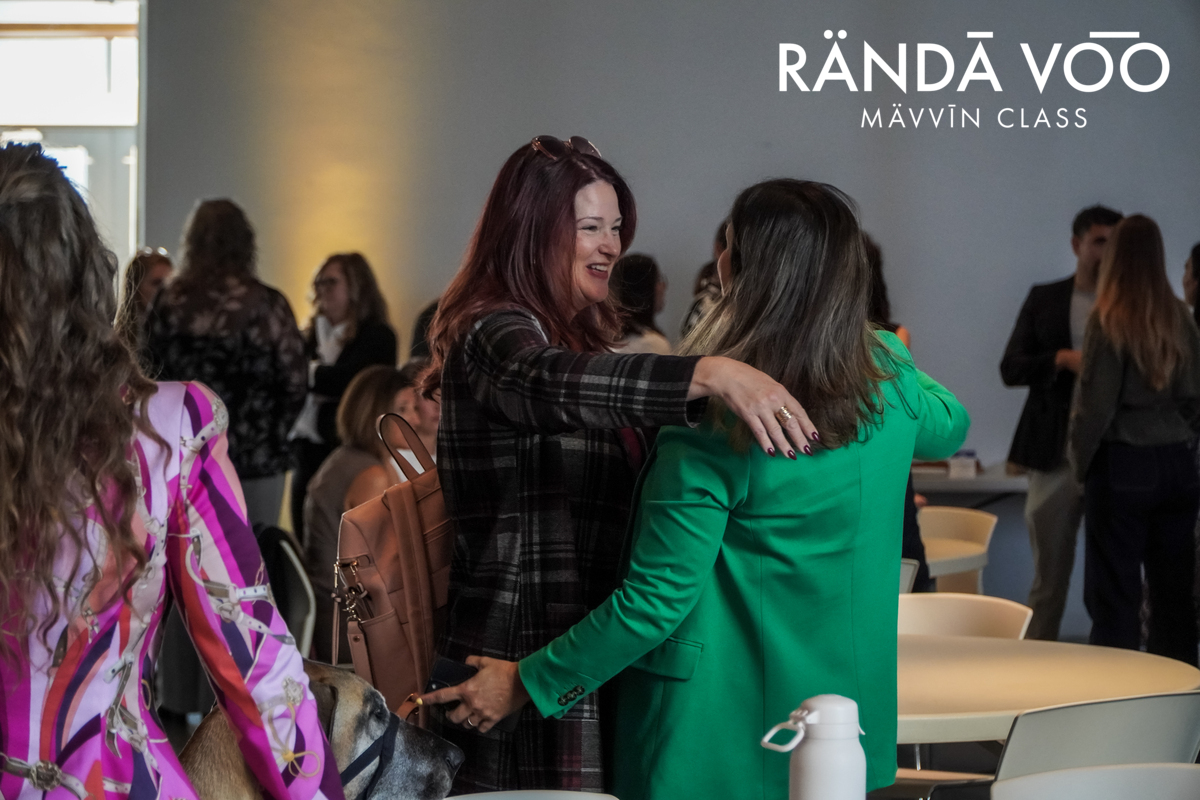
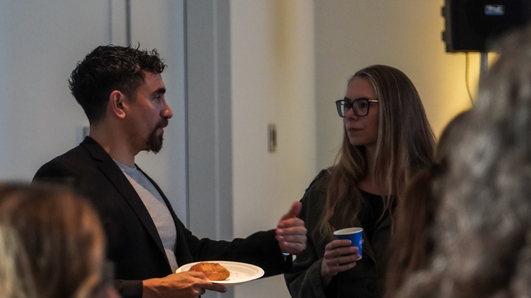
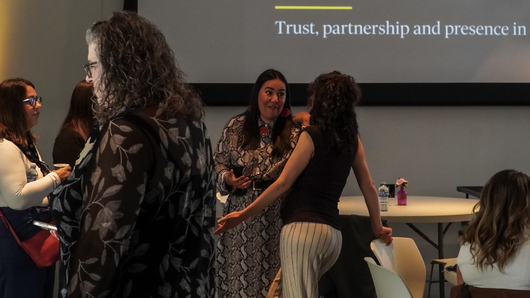
Guests arrived to coffee, breakfast bites and professional networking, received their table assignments and had time to meet people from outside their usual circles before the formal program began. The experience then moved between concise speaker insight and structured peer dialogue, with each conversation designed to progress from broad participation toward deeper discussion and practical application.
That pacing is intentional. Professionals rarely lack access to information. What is harder to create is an environment where they can examine an idea with people whose responsibilities, industries and experiences may be very different from their own.
The MÄVVĪNCLASS rhythm is straightforward: listen, discuss, apply and connect.
Why MÄVVĪNCLASS?
The name MÄVVĪN draws from maven—pronounced MAY-vin—a term for someone with deep knowledge or expertise; someone who understands a subject particularly well.
RÄNDĀ VO͞O interprets that idea through a simple ethos: knowledge becomes more valuable when people with experience share it with others.
MÄVVĪNCLASS gives leaders, entrepreneurs and subject-matter experts an opportunity to contribute what they have learned, while recognizing that expertise does not exist only at the front of the room. Every table contains professionals carrying experience, knowledge and perspective of their own.
The speaker introduces the idea. The room expands it.
For a deeper exploration of the philosophy behind the format, see Inside MÄVVĪNCLASS: Building Learning Infrastructure for Modern Leaders.
Sunshine Tenasco: What creates energy?
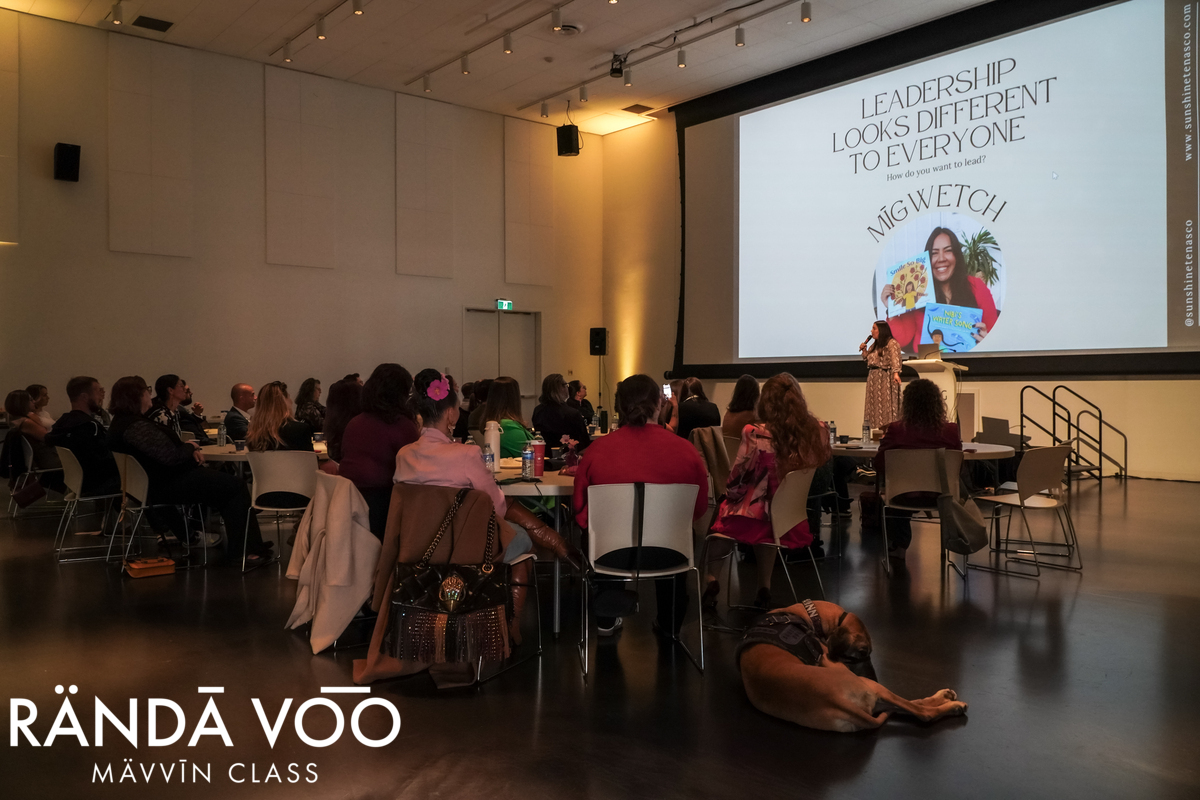
Sunshine Tenasco opened the formal program with More Energy, More Passion and an Abundant Serving of Fun.
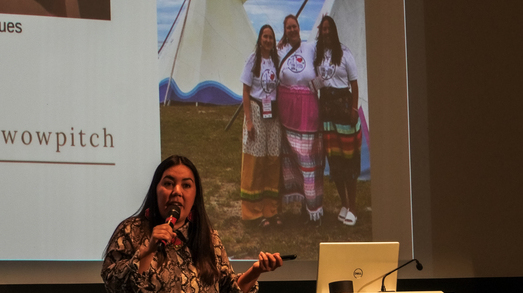
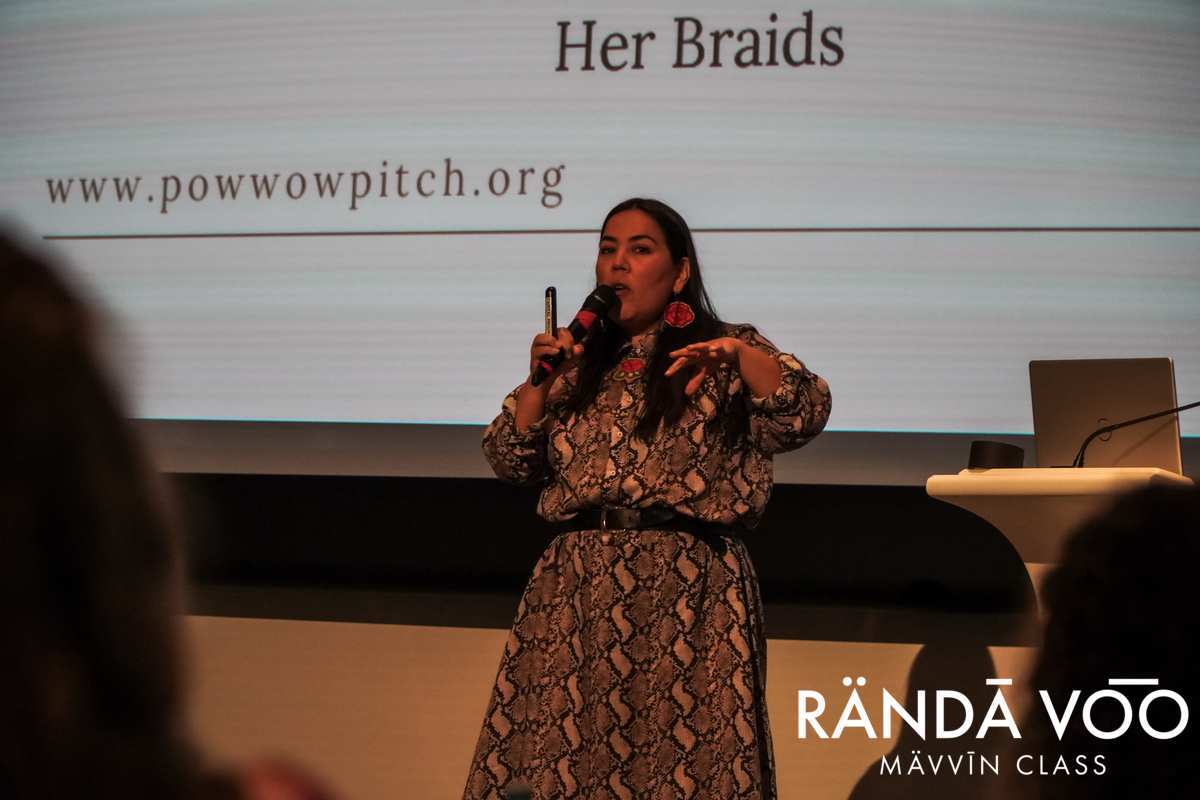
An Anishinaabe entrepreneur, author and community builder from Kitigan Zibi Anishinabeg, Sunshine is the founder of Her Braids and founder and Chair of Pow Wow Pitch. Her presentation brought together entrepreneurship, significant family responsibilities and a leadership journey that did not necessarily arrive according to a conventional career plan.
One line captured that journey succinctly:
“I chose entrepreneurship. Leadership found me.”
From there, Sunshine challenged the assumption that serious leadership must always look serious. She connected fun with energy, energy with momentum and shared joy with trust. Play, in her framing, can contribute to resilience, creativity and problem-solving rather than detract from results. As one of her slides put it, “burnout is the enemy of progress, not laughter.”
Her message was practical as well as philosophical. Culture can shift through small, repeated behaviours: sharing stories, making room for informal connection, creating environments where people feel safe to laugh and modelling that leaders can be human, vulnerable and themselves.
Alexandra Howard, creator of The Zone of Aliveness™, later described Sunshine speaking about “building & leading with more joy, play and laughter.” She called the event “fabulous & engaging” and said the presentations encouraged “much healthy reflection and dialogue.”
Her broader reflection captured a theme that would carry across the morning:
“How we get where we're going matters.”
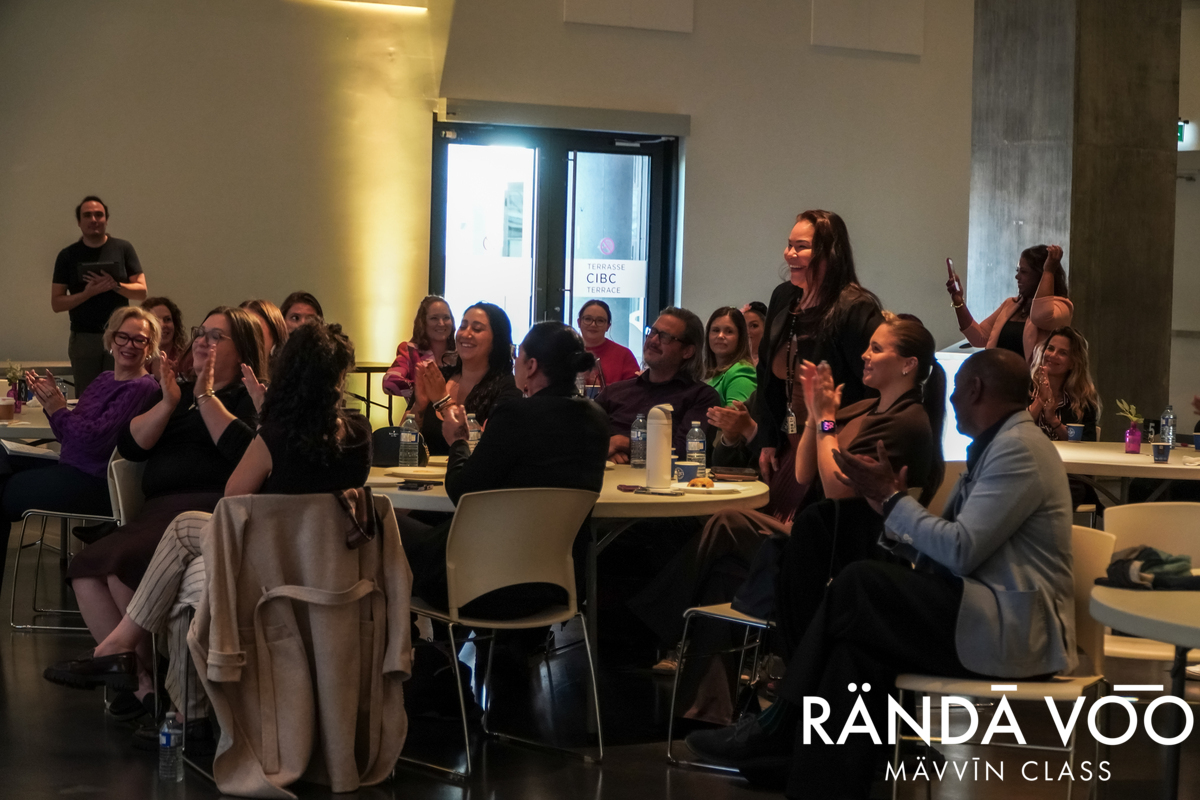
From the stage to the table
Sunshine's presentation became the starting point for the first professionally facilitated peer conversation.
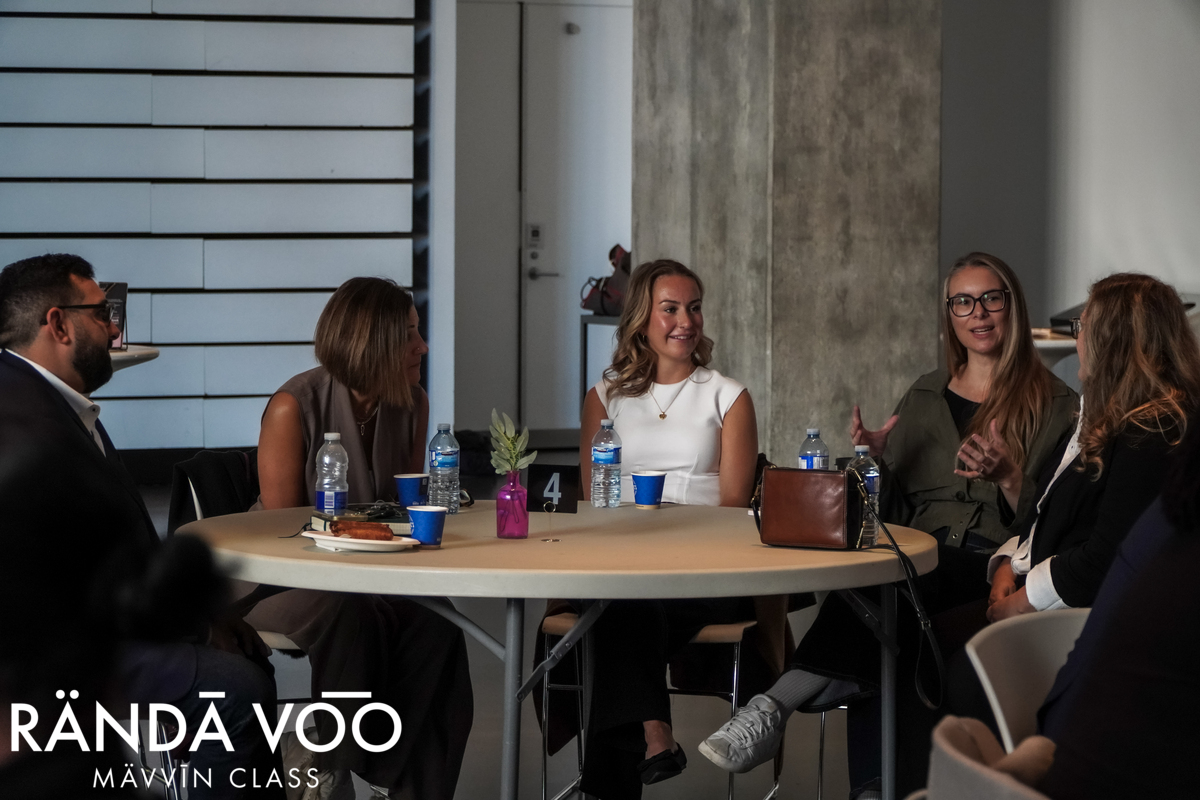
The dialogue was intentionally structured so everyone could enter the discussion before each table moved deeper and eventually toward practical application. One of the questions placed an important tension directly in front of the room:
How can leaders and professionals bring more joy and human connection into their work without losing focus on results?
Rather than answering that question for the audience, MÄVVĪNCLASS handed it to the tables.
That distinction is central to the format. A speaker can contribute expertise and introduce a useful idea, but the experience becomes richer when people have an opportunity to test it against their own leadership realities.
Michelle Weger: Design around the real constraint
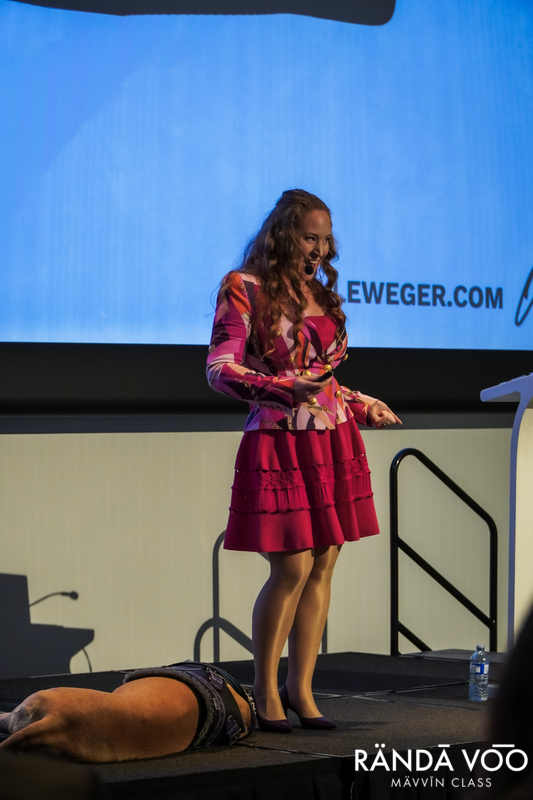
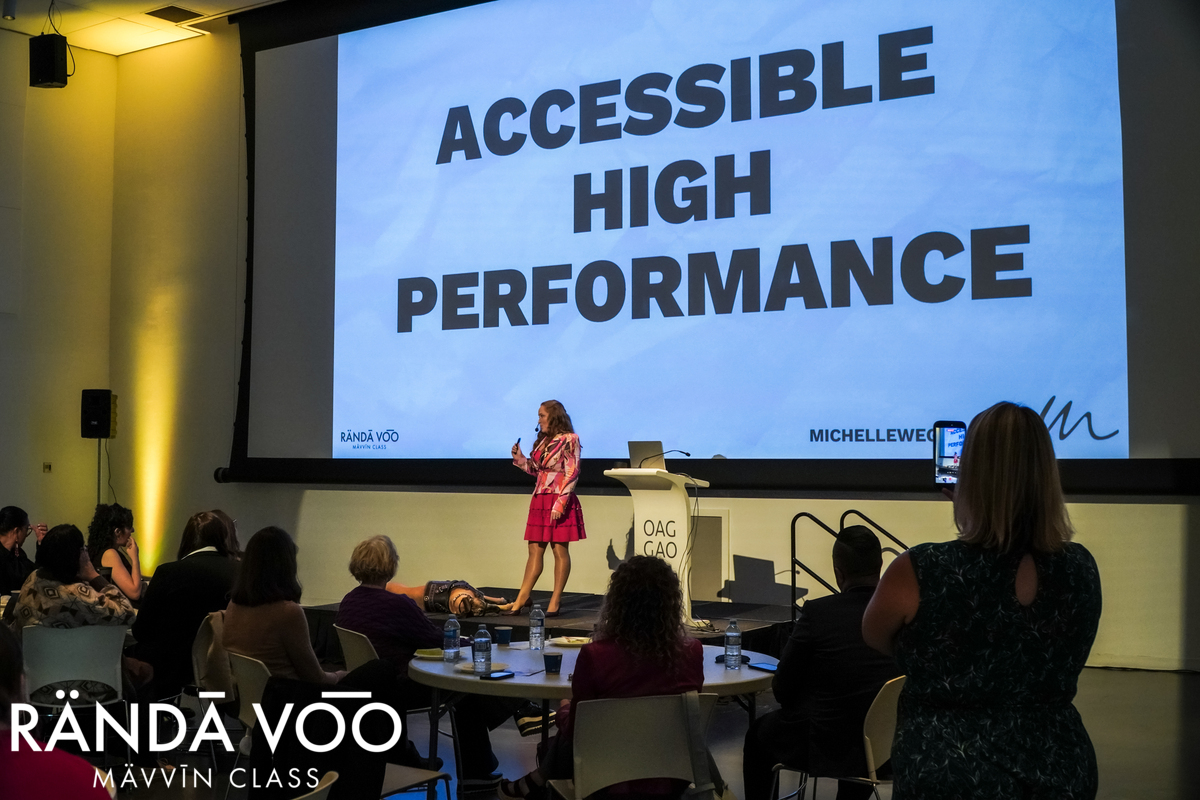
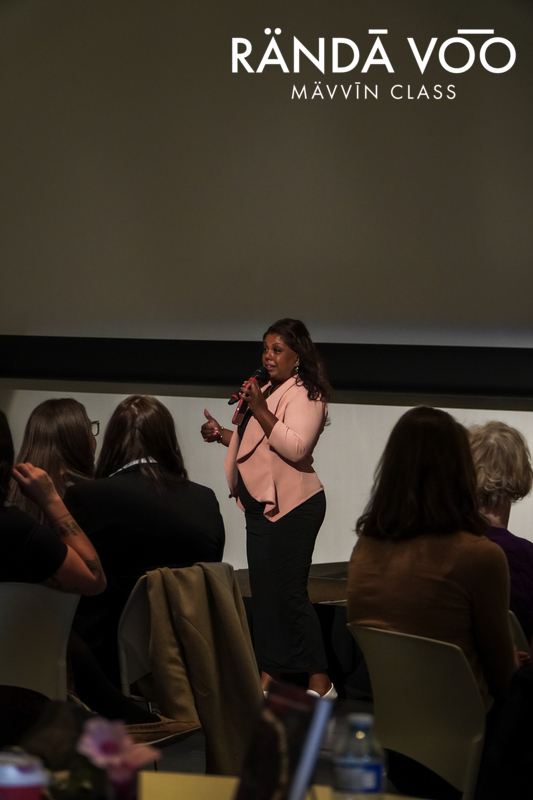
After the first dialogue, Michelle Weger took the stage for Accessible High Performance: How to Achieve Big Things Even in Hard Circumstances.
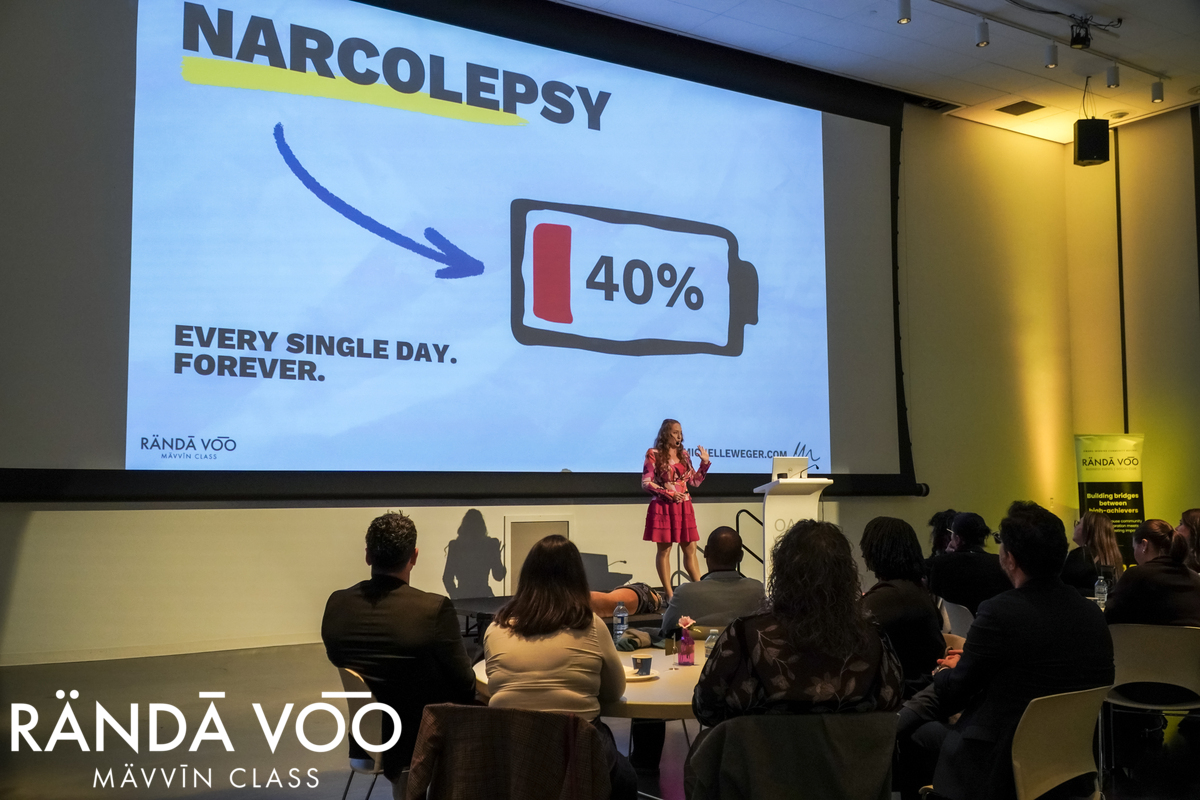
Her presentation began with the reality of living with narcolepsy. One of the simplest visuals in Michelle's deck represented that experience through a battery at 40%, making the underlying leadership question immediately understandable: what does high performance look like when capacity itself cannot simply be assumed?
Michelle's response was not to lower ambition. It was to design more intelligently around reality.
Her framework moved through three memorable actions:
Diagnose the real constraint. Equip the right tools. Gain an advantage.
The first step matters because solving the wrong problem consumes capacity. Naming what is actually creating friction makes it possible to choose better systems, technologies, supports or ways of working. The final step reframes limitation itself: once understood and appropriately supported, a constraint can influence sharper priorities and more effective ways of operating.
Placed after Sunshine's presentation, the relationship between the two perspectives became particularly useful. Sunshine explored what generates energy, trust and momentum; Michelle examined how finite capacity can be understood, supported and directed.
One explored what helps people come alive in the work. The other examined how we build so that ambition remains sustainable.
Turning insight into application
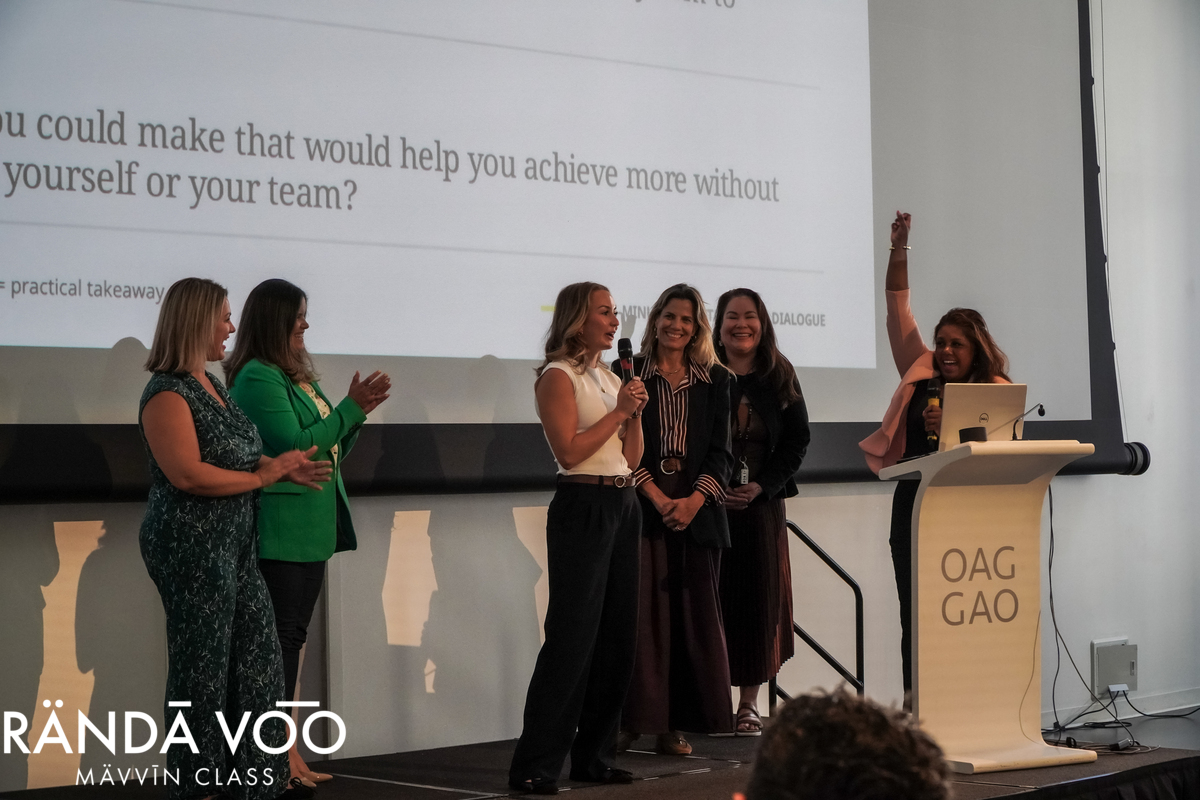
Michelle's presentation flowed directly into the morning's second peer conversation.
Again, the room moved from the speaker's perspective into practical discussion. One question captured much of what The Capacity Room was ultimately trying to examine:
What is one change you could make that would help you achieve more without simply asking more of yourself or your team?
That is a different leadership question from simply asking, How can we do more?
Sometimes growth requires additional effort. Sometimes it requires better design.
Who was in the room mattered
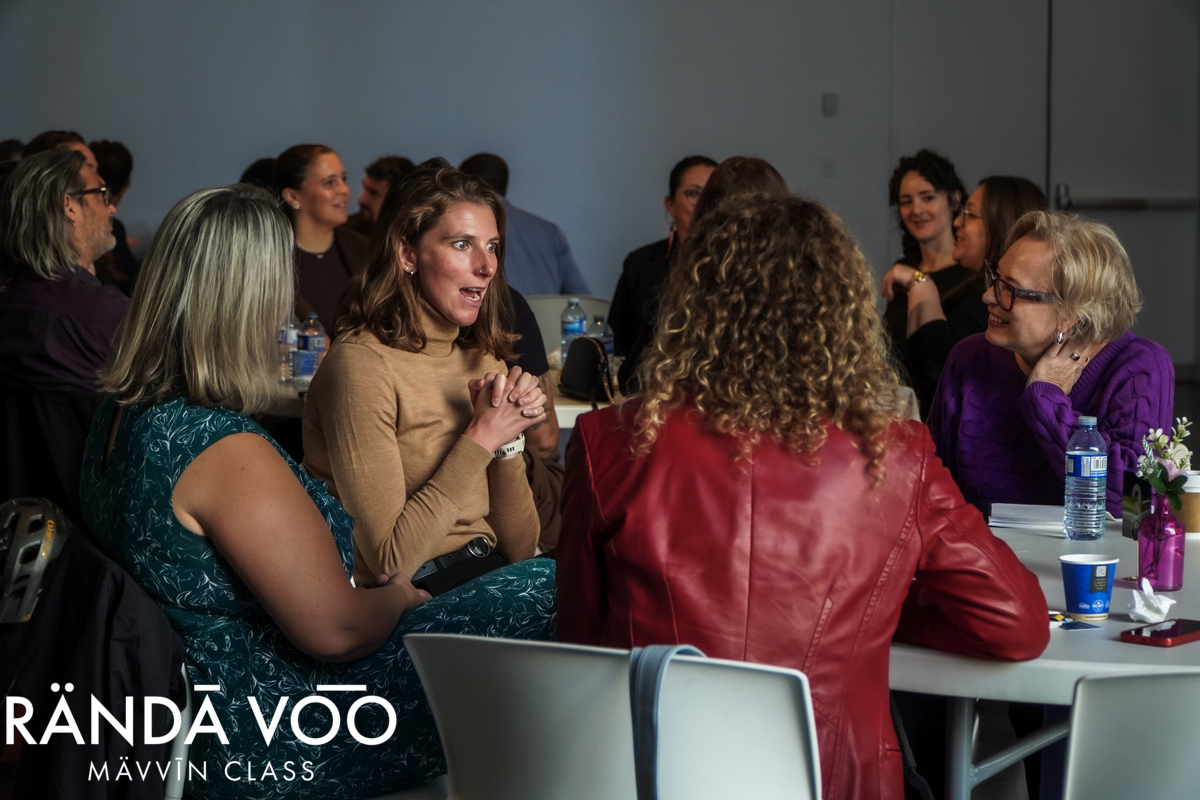
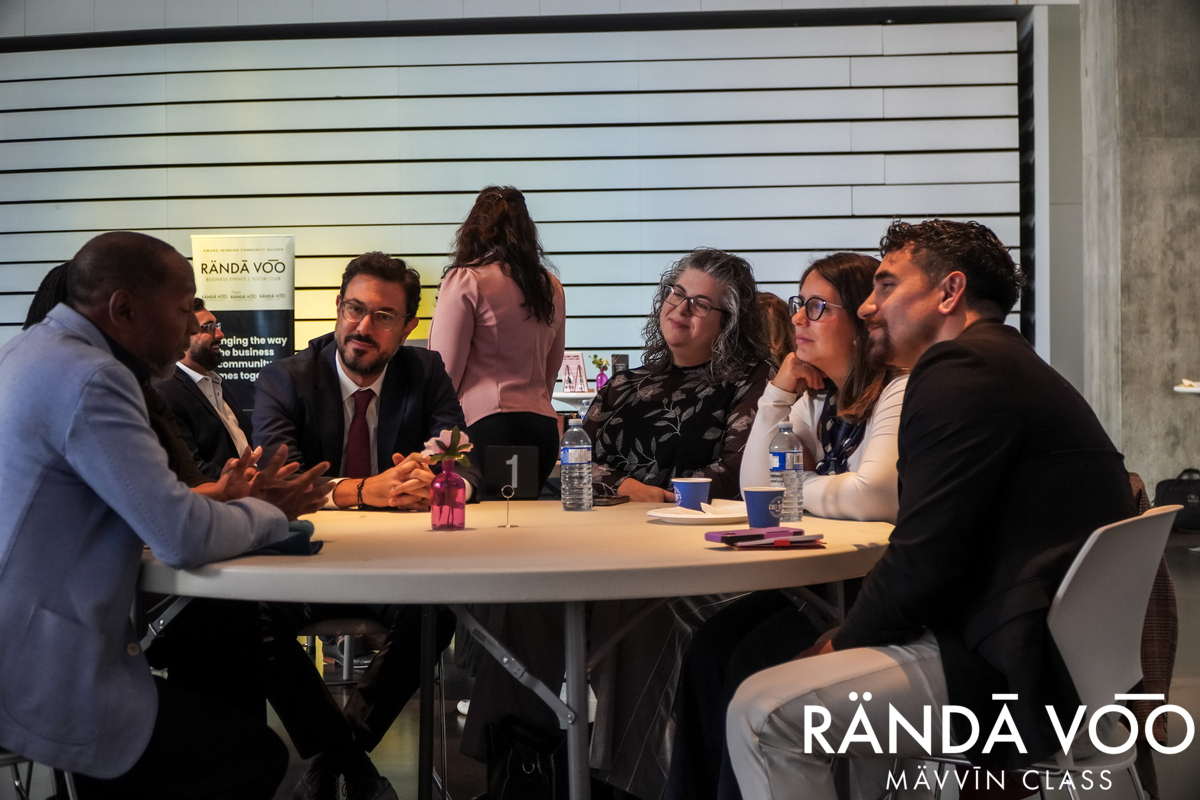
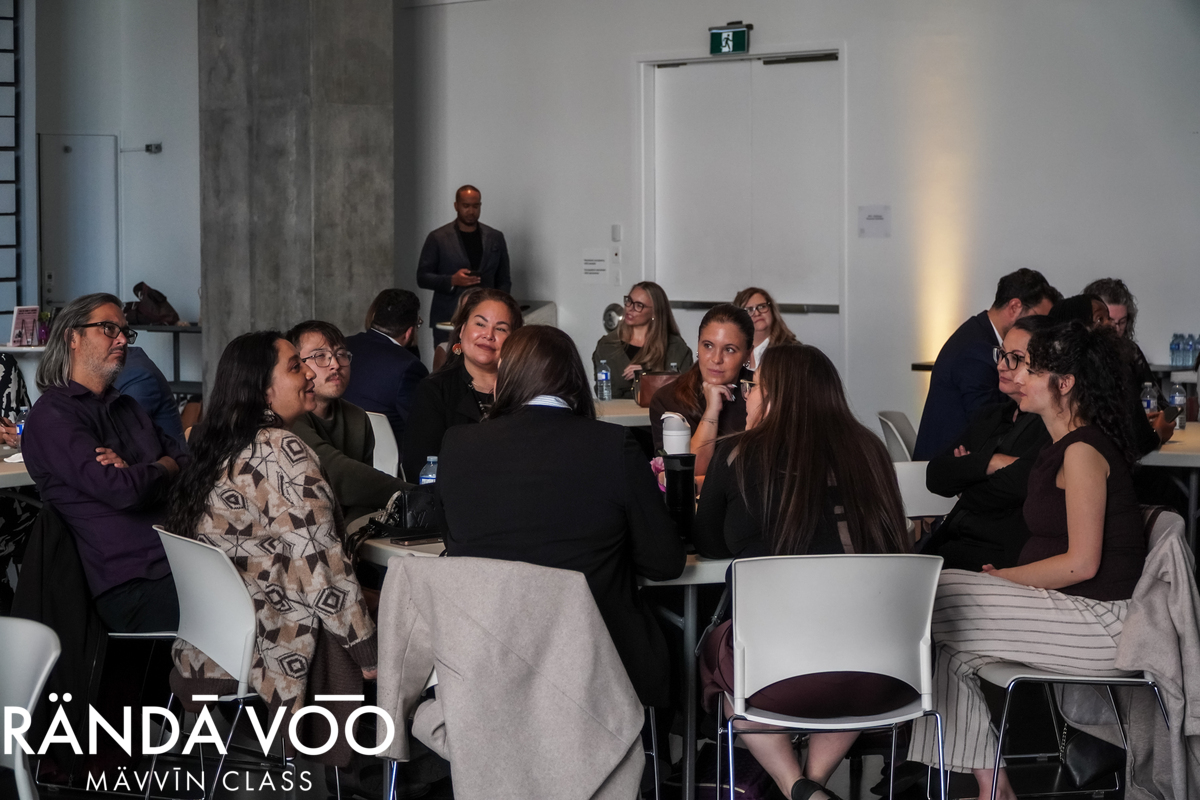
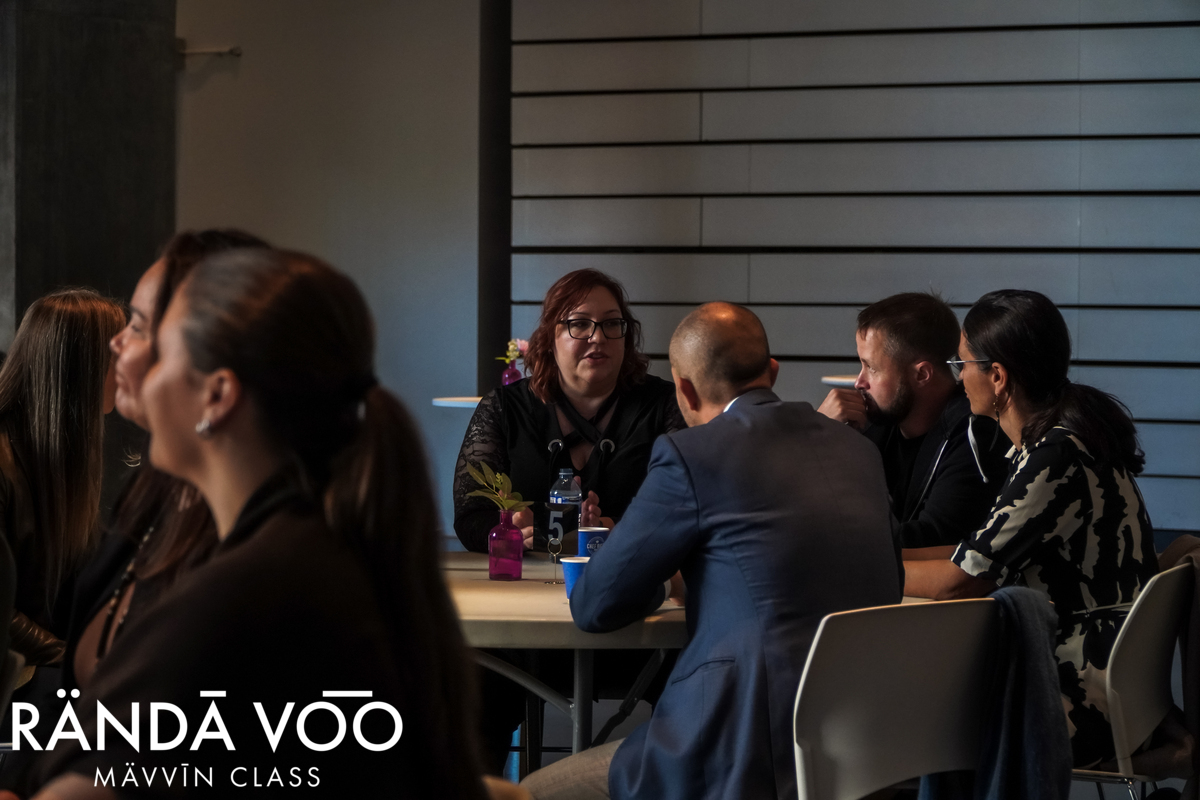
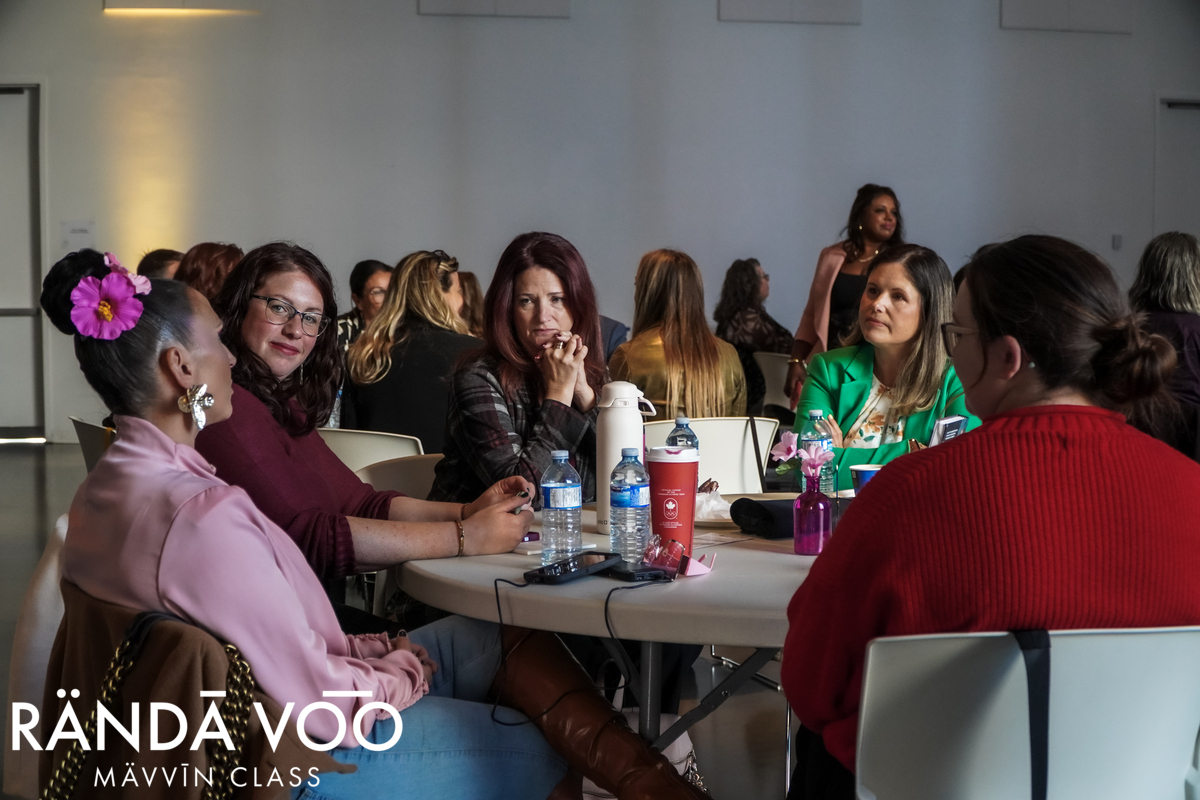
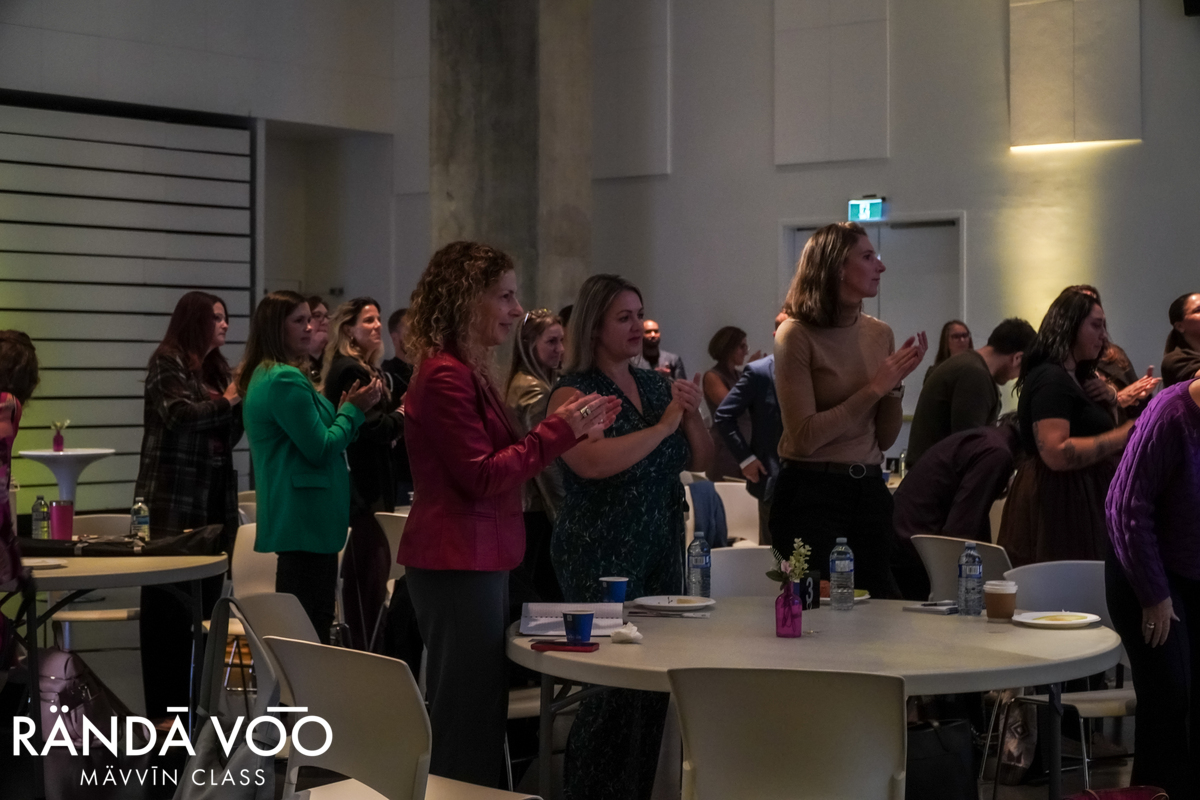
The conversations became richer because the room crossed professional boundaries.
Attendees represented finance, banking and wealth management; technology, artificial intelligence and digital transformation; economic development; construction, home development and architectural interiors; executive search, coaching and professional services; manufacturing and hospitality; health, wellness and education; visual arts, nonprofit and social services; and entrepreneurship.
Professionals connected to organizations including Invest Ottawa, TD, RBC, Adaawe Business Hub and LWG Architectural Interiors participated alongside founders, executives, advisors, business owners and independent professionals.
The point was not simply to accumulate industries. It was to place people responsible for different kinds of organizations, capital, teams, technology, businesses and communities into the same conversation.
For Emma Raistrick, who works in social services, the table design changed how she experienced the room. She arrived unsure of how she would stand out or connect, but later said she was “really impressed with how well thought out the table setups were.”
More importantly, the conversations gave her “an opportunity to share my thoughts in a setting I probably would have normally felt pretty intimidated speaking in front of.”
Emma is at an earlier stage in her career and described arriving while trying to find greater direction. She left with new professional relationships and feeling “really inspired and excited about what's ahead.”
“The little chats between speakers gave me an opportunity to share my thoughts in a setting I probably would have normally felt pretty intimidated speaking in front of.”
Her experience illustrates an important distinction. Curating a professional room is not only about assembling impressive titles. It is also about creating enough trust and structure for different voices and career stages to contribute.
Colette St-Denis Jolicoeur, Associate and Director of Design at LWG Architectural Interiors, described the morning as filled with “inspiring speakers, positive discussions, and great new connections.”
Her own takeaways included the ripple effect of energy and joy on teams, asking for help, equipping ourselves with the right tools and making space to slow down. Those were not prescribed conclusions from the stage. They were ideas being translated through her own professional experience.
Professional moderation holds the format together
A participatory forum requires more than strong speakers and thoughtful questions. Someone has to hold the rhythm of the room.
Samantha Moonsammy, CEO and Co-Founder of Lucky Book Publishing, served as professional moderator and Master of Ceremonies. Her role extended beyond introductions: she established context, explained the dialogue structure, managed speaker transitions, circulated between the tables, provided prompts and helped maintain the rhythm of the morning.
The conversations were facilitated rather than left entirely to chance. Each began with an accessible entry point, moved into deeper discussion and ultimately encouraged participants to identify something practical they could carry forward.
With more than two decades of communications experience spanning publishing, storytelling, strategic coaching, events, television, media and public service, Samantha brought structure without making the experience feel overly managed.
Reflecting on the event afterward, she described it as “a pleasure to emcee and facilitate the conversations in the room,” while celebrating moments where people can “come together and connect in real life.”
That observation feels especially relevant in a professional environment increasingly mediated through screens. MÄVVĪNCLASS is intentionally physical: people listening together, contributing in real time and developing relationships through shared conversation.
Strong moderation can appear almost invisible when it works well. Here, it was part of what allowed participation to work.
Community in the room
A dedicated Adaawe Business Hub table brought together members of the team and four Indigenous entrepreneurs, adding entrepreneurial and community perspectives to the peer dialogue.
Their presence was particularly fitting within a morning that began with Sunshine's reflections on entrepreneurship, leadership and Indigenous community-building. The program also formally acknowledged the work being done through NACCA and Adaawe Business Hub to support entrepreneurs and community.
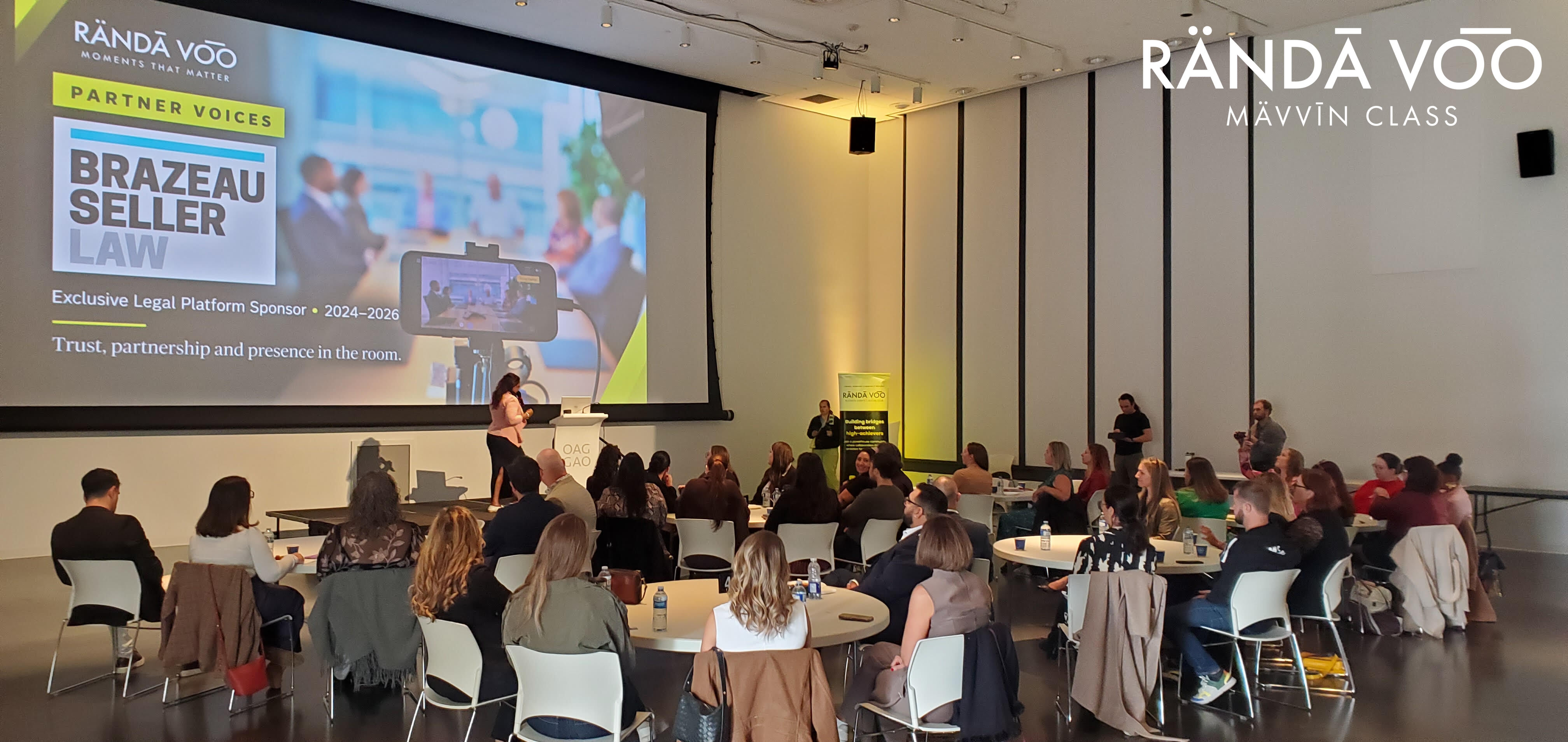
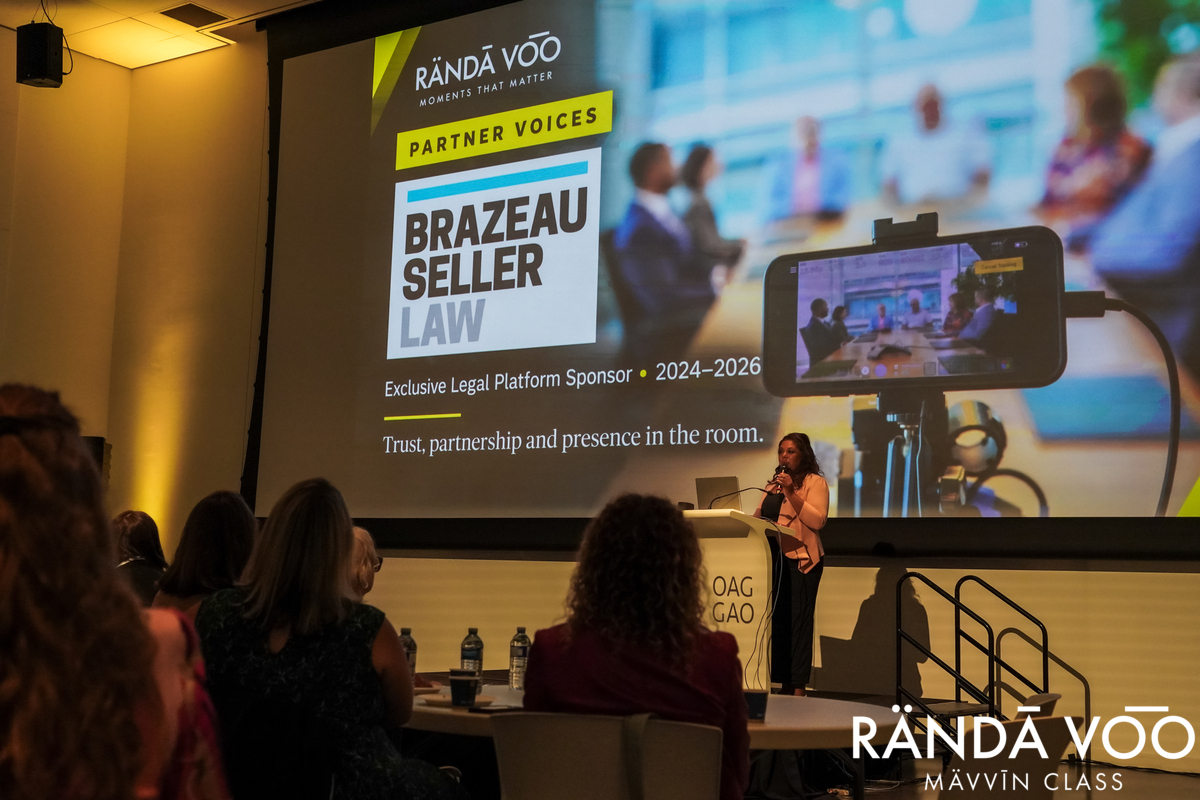
The morning was generously supported by Brazeau Seller Law, a longstanding RÄNDĀ VO͞O platform sponsor since 2024 whose team was also represented in the room.
Their continued support helped make the experience possible while allowing the morning itself to remain centred on the ideas, people and relationships in the room.
One morning within a larger platform
MÄVVĪNCLASS is one expression of the broader RÄNDĀ VO͞O platform, which brings professionals together through business, leadership, cultural and hospitality experiences.
The formats may change, but the underlying idea remains consistent: give people a meaningful reason to enter the room, create enough context for better conversations to happen, and design environments where professional relationships can move beyond surface-level networking.
The physical gathering matters, but so does what continues afterward. A speaker's idea can travel back into a workplace. Someone met around a table can become a trusted professional relationship. Photography, video, attendee reflections and editorial storytelling can carry the conversation to people who were never physically in the room.
That is how a morning becomes part of something larger.
What stayed with the room
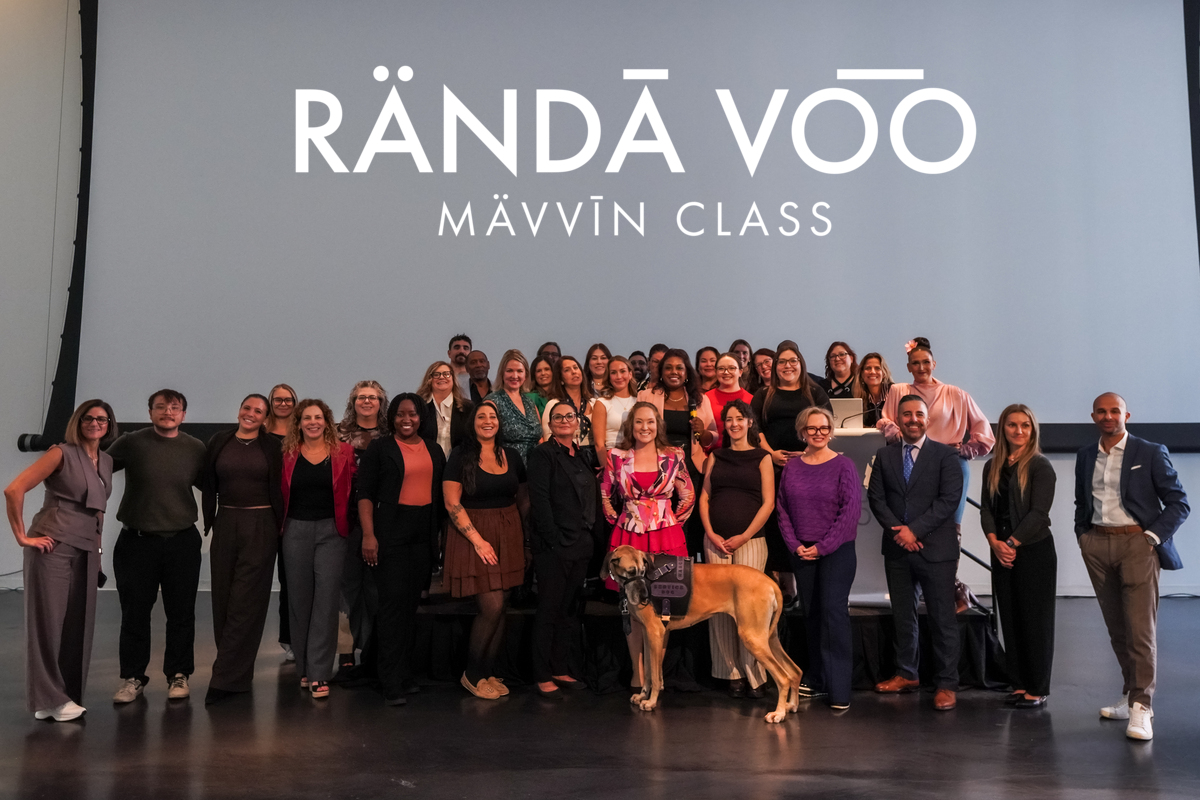
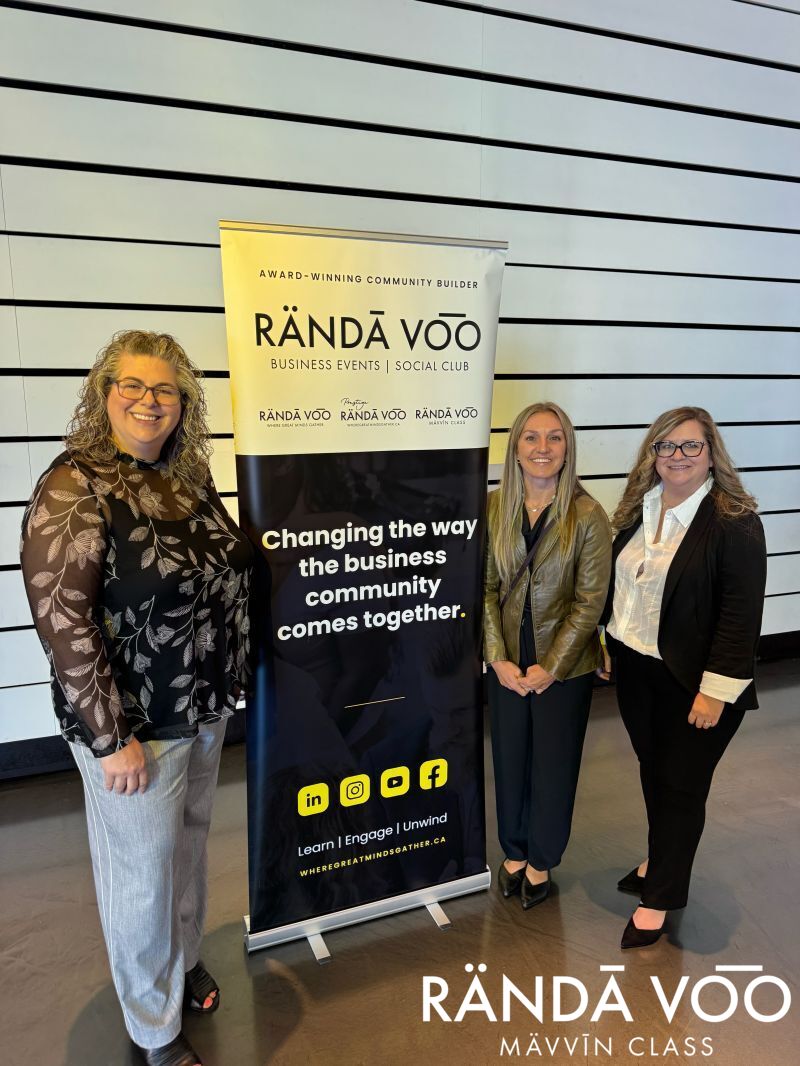
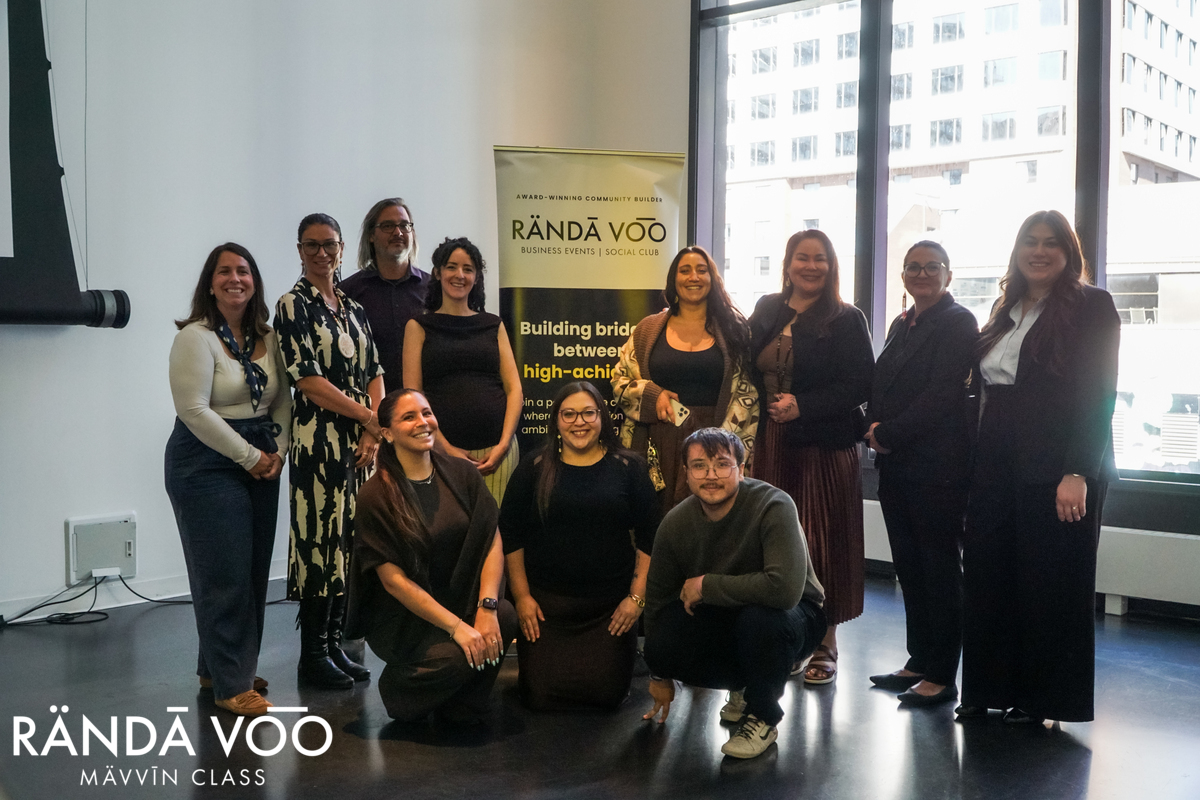
After Michelle's presentation and the final peer dialogue, guests came together at the front of the room for the full MÄVVĪNCLASS class photograph, bringing the formal programming to a close.
By then, capacity had become considerably broader than productivity.
Sunshine had invited the room to consider how joy, play, trust and humanity can generate energy. Michelle challenged attendees to identify what is actually getting in the way, equip themselves appropriately and design around reality rather than continually fighting it.
Around the tables, those ideas became personal.
Heather Desjardins described the gathering as a “great event with a wonderful group” of participants. Alexandra Howard left grateful for “the conversation, the laughter, the fresh connections, and a room full of brilliant humans.” Emma Raistrick left with new professional relationships and renewed excitement about what lies ahead.
Different people carried different things out of the same room.
That was part of what the room was designed to allow.
How do you want to lead?
Sunshine's final presentation slide asked one deceptively simple question:
How do you want to lead?
The Capacity Room did not arrive at one universal answer.
Capacity can come from better systems and more honest acknowledgement of our constraints. It can come from the right tools, asking for help or changing how work is designed. It can come from joy, trust, community and permission to be human.
Sometimes it expands because someone sitting across the table sees the same challenge from an angle we had not considered.
How we get where we're going matters. So does who we meet—and what we give back—along the way.