


Some founders speak in frameworks. Ali Zaydan speaks in decisions.
His path has moved through Lebanon, the UAE, multinational companies and now entrepreneurship in Canada. Each environment changed something different: his ambition, his relationship with risk and his view of what opportunity can look like.
Today, as Co-Founder and CEO of Drivisa, Ali is applying those lessons to an industry still shaped by legacy processes, manual coordination and long-established ways of working.
His perspective is direct. Discipline matters. Customers matter. Growth exposes weaknesses. Technology should remove friction. And sometimes, the business simply needs to sell.
For this RÄNDĀ VO͞O Business Intelligence Builder Profile, Ali shares what he has learned about building, leading and making decisions while Drivisa grows.
01Ambition, Risk and the Builder Path
Ali connects different stages of his life with different parts of his entrepreneurial mindset.
Lebanon shaped ambition.
For Ali, economic mobility was not abstract. His family circumstances created urgency and a determination to build something different.
The UAE changed his relationship with risk. As his income and financial position improved, he became less conservative and increasingly comfortable making larger decisions.
Canada expanded the opportunity.
In Ali’s words:
“Ambition is for sure Canada!”
He sees Canada as a market where innovation, hard work and boldness can still create meaningful opportunity — even if the results take time.
His years working inside multinational organizations also left him with one operating habit he still considers essential: discipline.
Ali describes protecting the first hours of his morning before the rest of the team begins work, allowing him to get ahead of clients, priorities and competition.
But entrepreneurship required him to unlearn something too: the expectation that outcomes can always be predicted.
Large organizations operate with established brands, historical data and decades of institutional knowledge. A startup does not.
Something that failed last year may work today.
Ali’s lesson is simple: keep going.
"A candid conversation with Drivisa Co-Founder & CEO Ali Zaydan on ambition, customer trust, innovation, scaling a business and building with speed."
02Don’t Digitize the Old Way. Redesign It.
The opportunity behind Drivisa began with something less glamorous than technology:
Pen and paper. Brick and mortar. Waiting.
Ali saw students and instructors spending unnecessary time dealing with paperwork, phone calls, scheduling and coordination.
Drivisa was built around reducing that friction.
But Ali makes an important distinction between digitization and innovation.
Putting an existing process online does not necessarily mean the experience has been redesigned.
Technology can improve a process. Innovation may remove parts of that process altogether.
That distinction also shapes how Ali thinks about what founders are actually building.
“Remember what you sell.”
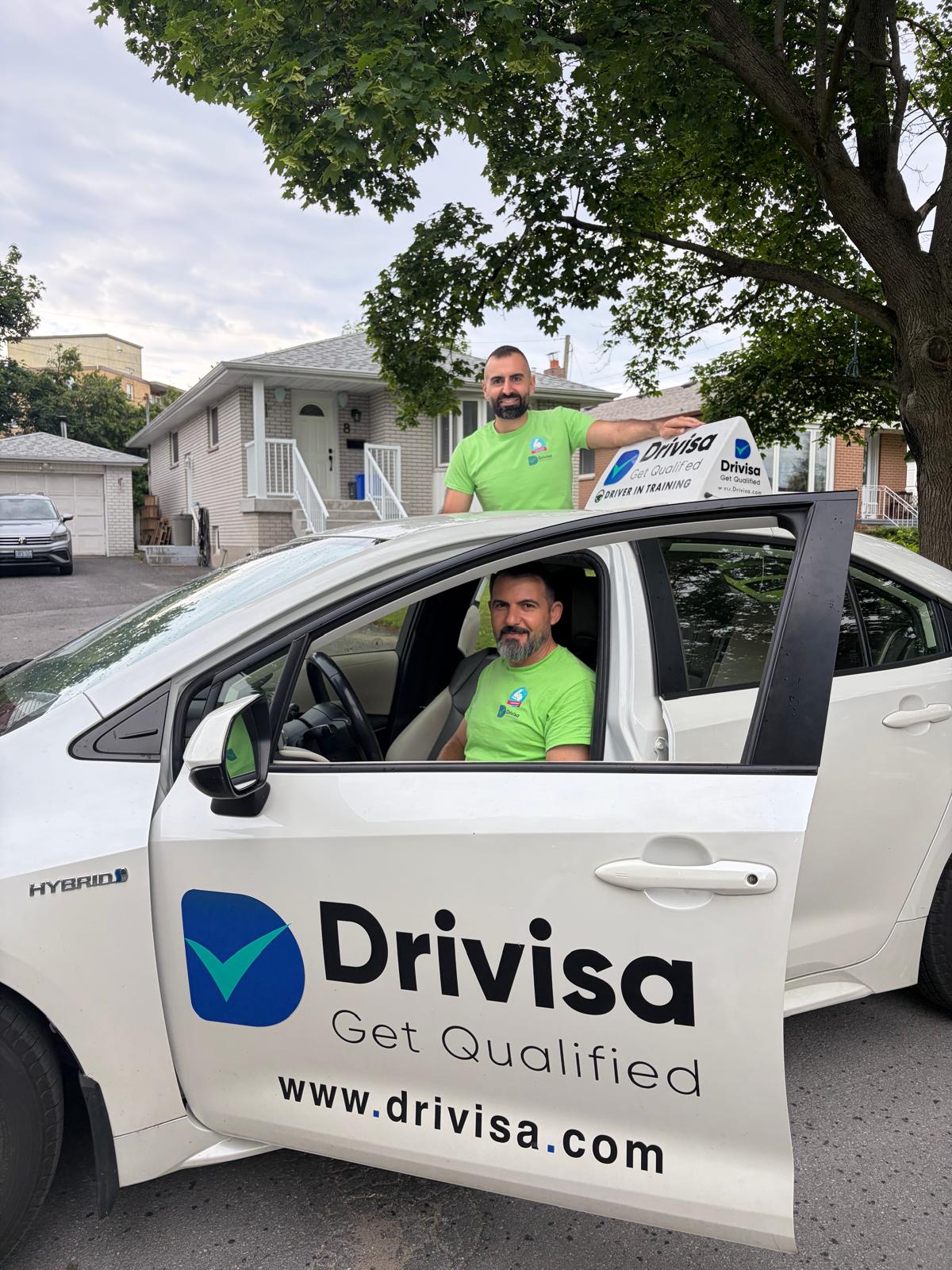
Drivisa may be a technology platform, but Ali is quick to point out that its core business remains driver education.
Technology is the infrastructure.
The customer problem is the business.
03Trust Is Earned One Customer at a Time
For a young company without decades of brand recognition, Ali believes trust must be earned through experience.
“Trust is earned.”
His approach is practical: reduce barriers, get the product into customers’ hands and allow people to experience the value directly.
Early-stage companies may have large ambitions and ambitious valuations, but customers still need a reason to believe.
Ali’s view is to earn that confidence one customer at a time.
Customer feedback also matters — but not all feedback carries equal weight.
The signals Ali watches most closely are the ones that repeat across customers.
The market creates constant noise. Repeated customer behaviour creates information.
04Growth Exposes the Business
Growth is usually celebrated from the outside.
Inside a company, it has another effect: it reveals what is not working.
Ali does not necessarily see that as a problem.
“Discovering weaknesses through scale and volume is THE MOST beautiful thing.”
Why?
Because it means customers are buying.
As Drivisa has grown, scale has exposed areas where outside systems, manual processes and third parties can slow the business down.
Where possible, the team has responded by building more capability internally rather than continuing to depend on systems that cannot move at the speed the company requires.
Ali’s leadership style is similarly direct.
Drivisa remains a small team. Decisions are discussed together, but the company has established one overriding priority:
Growth.
Ali is also candid about earning credibility as a founder.
Rather than waiting for everyone to view the team as established leaders, his current approach is to allow the company’s numbers and growth to build that credibility.
05Speed, AI and What Comes Next
Ali believes speed starts with understanding the market and knowing the assets already available to the business.
Drivisa’s ambition is substantial: continue replicating the growth achieved during the previous two years while limiting unnecessary investment.
That philosophy also influences the company’s approach to outside capital.
If the business can continue growing without taking money before it needs it, Ali sees value in maintaining that flexibility.
His approach to AI is similarly practical.
Repetitive work should increasingly be automated.
Analysis can become faster.
Routine processes can become more efficient.
But consequential decisions still need people.
Ali’s distinction is straightforward: technology can help prepare the information. Human judgment should remain responsible for the big calls.
Looking ahead, his ambition for Drivisa is to become a household name across demographics and across North America.
And while the product will continue improving, Ali does not believe perfection should come before commercial traction.
“The product can always be better… sales sales sales.”
ALI, IN HIS OWN WORDS
“Remember what you sell.”
“Trust is earned.”
“The product can always be better.”
FROM INSIGHT TO SELF-ASSESSMENT
What kind of builder are you becoming?
Ali’s perspective touches on ambition, discipline, speed, customer trust, decision-making and growth — qualities that shape how founders and business leaders build.
Take the RÄNDĀ VO͞O Builder’s Index to explore your own approach to building, leading and making decisions.
TAKE THE BUILDER’S INDEXConnect in person
Continue the Conversation
Keep reading
Related Intelligence
Signature · Community Impact · Event Recaps
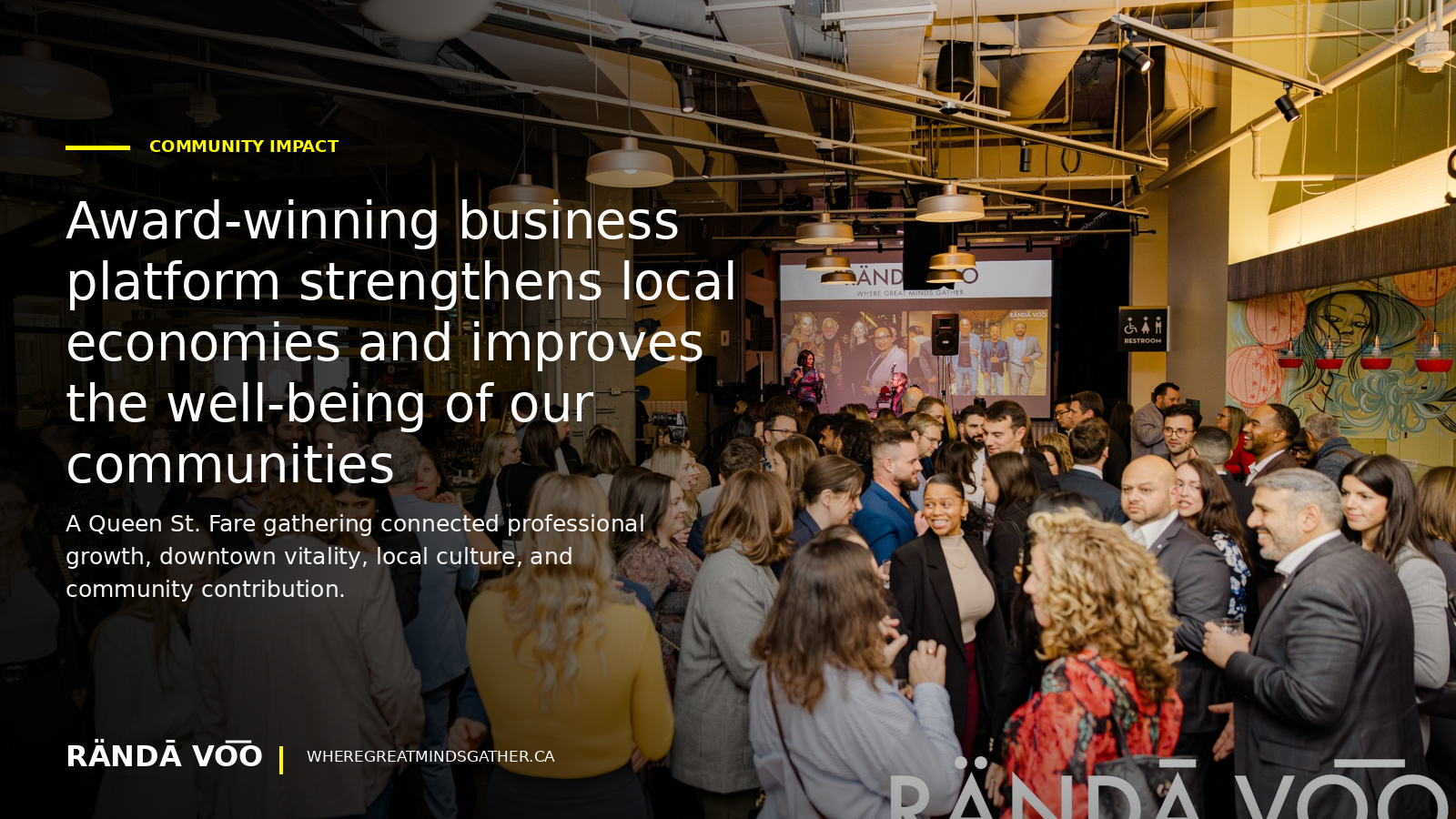
Award-winning business platform strengthens local economies and improves the well-being of our communities
A Queen St. Fare gathering connected professional growth, downtown vitality, local culture, and community contribution.
MÄVVĪNCLASS · Event Recaps
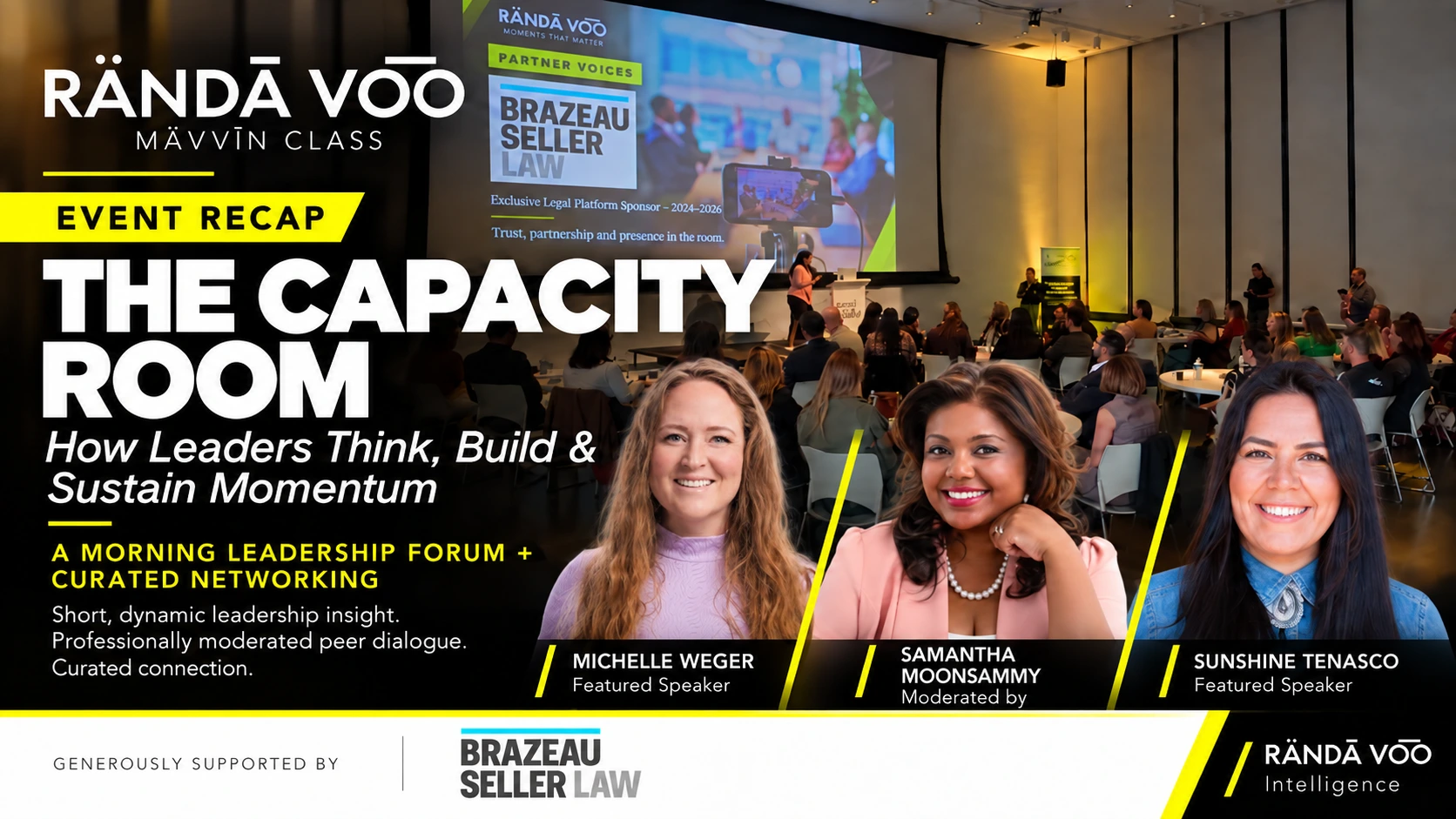
Inside The Capacity Room: How Leaders Think, Build & Sustain Momentum
Sunshine Tenasco and Michelle Weger brought two perspectives on energy, leadership and sustainable high performance to MÄVVĪNCLASS—before six tables of Ottawa professionals took the conversation further.