

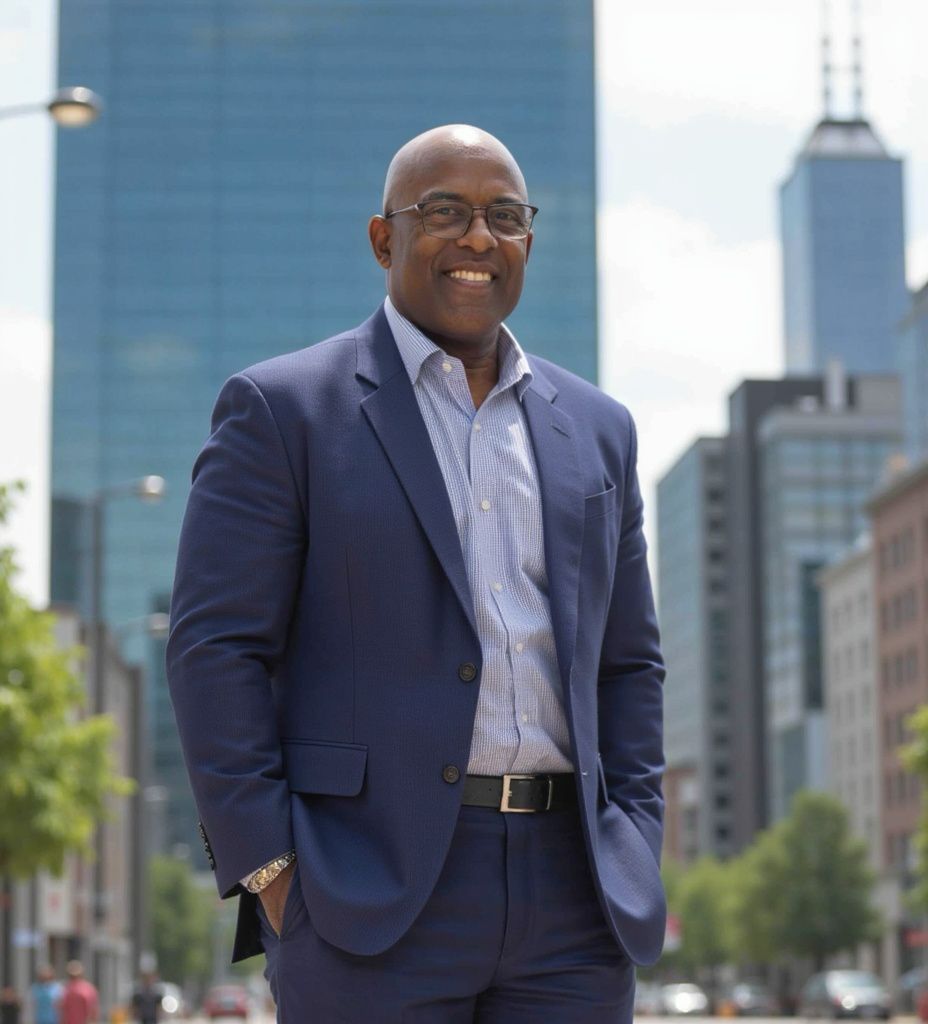
Real estate conversations often begin with prices, interest rates and predictions. Chris Brown begins somewhere more fundamental: shelter.
A place to feel secure. Somewhere to call home. And, depending on someone's circumstances, a place to own or rent.
That understanding, shaped by lessons from his grandfather and father, has informed more than three decades in real estate. It also underpins the way he approaches entrepreneurship, investment and professional relationships.
In this RÄNDĀ VO͞O Coffee Chat, Chris talks about the right people, the danger of chasing market headlines, the responsibility that comes with advising clients, and the importance of knowing why you're building something in the first place.
01Start with the need, not the transaction
Chris remembers learning early that property is not simply an asset. “Everyone needs or craves shelter,” he says. “Shelter provides safety and security, a place to call home.”
Not everyone is in a position to own at a given time. He sees an opportunity in providing comfortable, dignified housing solutions for people whose circumstances call for something different.
For Chris, that is where the business begins: recognizing what people actually need. A property transaction is only one possible response to that need.
There's a lesson here for owners and founders in any field. Before thinking about how to scale an offering, ask whether it addresses something people genuinely value. The strongest opportunity may not be the one that looks most exciting on paper, but the one that solves a real problem responsibly.
02The right people—not simply more people
Three decades in business have changed how Chris thinks about the people around him. He brings up a familiar expression: “If it is to be, it's up to me.”
Personal initiative matters. Taken too far, though, that mindset can become “a recipe for burnout,” he says—and it isn't necessarily effective.
Chris has learned that the calibre of the people alongside you can matter more than the size of the group.
“The quality and character of those you surround yourself with matters far more than the quantity of people hanging around.”
He adds that it's remarkable what can be achieved with fewer of the right people rather than more of the wrong ones.
It's a pointed observation for an entrepreneur trying to do everything alone, a leader building a team, or a professional expanding a network. A long contact list doesn't guarantee good judgment, mutual respect or shared purpose.
The real question is who helps you think more clearly, make better decisions and do the work well.
03Time in the market, proof of concept and a clearer view of risk
Chris has seen very different market cycles. His philosophy is consistent: “Timing the market is not where the magic lies. Time in the market is far more significant and infinitely easier to work with.”
To him, this marks a difference between speculation and investment strategy—not a promise that every property will work out, or that the price paid and the financing terms don't matter.
He's seen property owners become investors almost by accident. A property might be inherited, or someone might move for work and rent out a home they couldn't sell. Over time, they see how rental income, mortgage repayment and changing property values interact. An unexpected experience can become an intentional strategy.
Chris calls that combination intention and proof of concept.
But having one successful experience is not enough reason to assume the next one will perform the same way. It is a reason to understand what worked, what it cost and what risks were involved.
That scrutiny becomes especially important when homeowners consider drawing on equity. Chris's first instruction is simple: “Job one, seek to understand.”
He points out that beliefs about debt often come from family history—including parents and grandparents who lived through extraordinary economic hardship. Those experiences can influence what people consider safe or risky.
Chris believes not all debt should be viewed alike. The purpose of borrowing matters, as do the terms, cash flow, carrying costs and capacity to weather a setback. Access to equity is not the same as having an appropriate investment plan.
It's a relevant distinction for anyone financing an acquisition, opening a second location or making a major investment in their business: understand the obligation before committing to the opportunity.

04Trust must survive the transaction
When Chris talks about building a reputation, he starts with integrity. He adds gratitude for the opportunity to serve people, shared values, curiosity and an ongoing appetite to learn.
These are not abstract ideas to him. Relationships that last can sustain a business through repeat clients and referrals. He points out that retaining those relationships can cost far less than constantly acquiring strangers through advertising.
But Chris's definition of a trusted advisor goes further than keeping customers happy.
“Your heart must be in the right place to start with,” he says.
Then comes the work: understand what matters to the client and why. Know the circumstances that add or detract value. Build a game plan, consider what could go wrong and be ready with contingencies or an exit strategy.
An agreement can be signed in a day; its implications may last years. Chris sees real estate as a long game, not a sprint.
That perspective should resonate with lawyers, bankers, accountants, consultants and business owners. The value of expertise is not simply having an answer. It's knowing enough about someone's situation to give advice that actually serves them.
05More information still requires better judgment
Chris is wary of the noise surrounding real estate: market forecasts, social media predictions, national headlines and opinions delivered with more confidence than context.
“Real estate remains a hyper-local entity,” he says. Regional subtleties can affect value and conditions in ways that national numbers may not capture.
His advice is to focus on what matters to your specific circumstances rather than reacting to every broad headline. That includes seeking a trusted professional who can help distinguish relevant evidence from commentary.
Technology has changed the possibilities. Historical data, property comparisons, trend information and scenario modelling are far more accessible than earlier in his career.
Chris welcomes that progress. One of technology's greatest contributions, he says, has been the ability to analyze properties and model different situations.
Still, the abundance of information makes experienced judgment more—not less—important. Tools can show patterns and possibilities. Someone must still decide which data is trustworthy, which assumptions make sense and what a decision means in the real world.
It's a lesson for any professional experimenting with AI or other new tools: speed and information are valuable, but neither replaces context or accountability.
06Quiet the landscape. Know why you're building.
Chris remains positive about the long-term possibilities of property investment, including potential cash flow, mortgage repayment, appreciation and reinvestment. Those outcomes, of course, depend on the property, market, financing, costs and investor's circumstances.
What interests him most is whether someone has a considered objective rather than a reaction to the latest headlines.
His advice: “Quiet the landscape.” Stay vigilant about your game plan. Don't abandon an investment strategy simply to solve a different challenge that happens to have your attention today.
This doesn't mean ignoring new information or refusing to change course when circumstances require it. It means knowing what you're trying to accomplish well enough to recognize the difference between useful adjustments and distractions.
Chris's final thought is both direct and personal:
“Clarity and conviction about what you are trying to build and why you want to build it.”
For a real estate investor, an entrepreneur or an executive, that clarity can shape which opportunities to pursue, which people to trust and which setbacks to work through.

IN HIS OWN WORDS
Four more moments from our Coffee Chat, drawn from Chris's submitted answers.
01Intention and proof of concept
What separates someone who simply owns property from someone thinking like an investor?
Chris:
“Intention and proof of concept.”
He describes how inheriting a property or renting out a former home can reveal the interaction of carrying costs, mortgage paydown and changing value—sometimes inspiring someone to explore another investment.
02Integrity first
What does being a trusted advisor require?
Chris:
“Being a trusted advisor requires first and foremost integrity. Your heart must be in the right place to start with.”
He also points to understanding the client's priorities, creating a game plan, planning contingencies and having an exit strategy when needed.
03Technology and judgment
Where has technology most improved real estate decision-making?
Chris:
“One of the greatest impacts of technology is in our ability to analyze properties and model scenarios.”
He believes experienced judgment remains vital for evaluating the overwhelming volume of information.
04Clarity and conviction
What's your advice to someone starting a property portfolio—or a business?
Chris:
“Clarity and conviction about what you are trying to build and why you want to build it.”
His advice is to remain focused on that purpose and not abandon the plan merely to address an unrelated challenge.
1 / 4
RELATED INTELLIGENCE
RÄNDĀ VO͞O EDITORIAL SERIES
BUILDER PROFILE
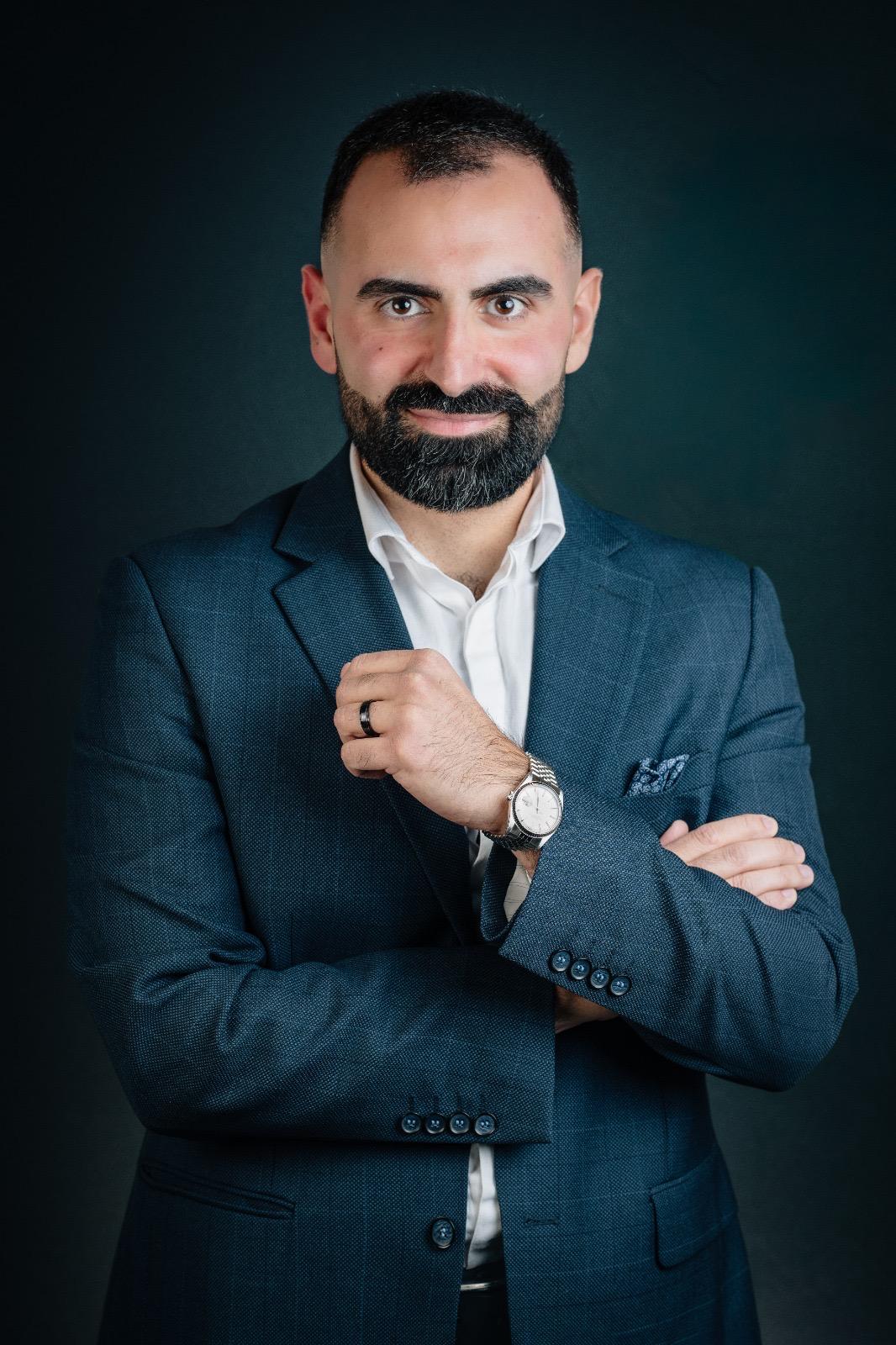
Ali Zaydan on Growth, Discipline and Reinventing Driver Education
A candid conversation with Drivisa Co-Founder & CEO Ali Zaydan on ambition, customer trust, innovation, scaling a business and building with speed.
Ali Zaydan | Co-Founder & CEO, Drivisa
RÄNDĀ VO͞O Editorial Series

IMPACT LEADER PROFILE
Hailey Hechtman on Storytelling, Leadership and Building Social Impact That Lasts
A leadership conversation with Unsinkable Executive Director Hailey Hechtman on authentic storytelling, sustainable leadership, meaningful partnerships, workplace culture and building social impact that lasts.
Connect in person