

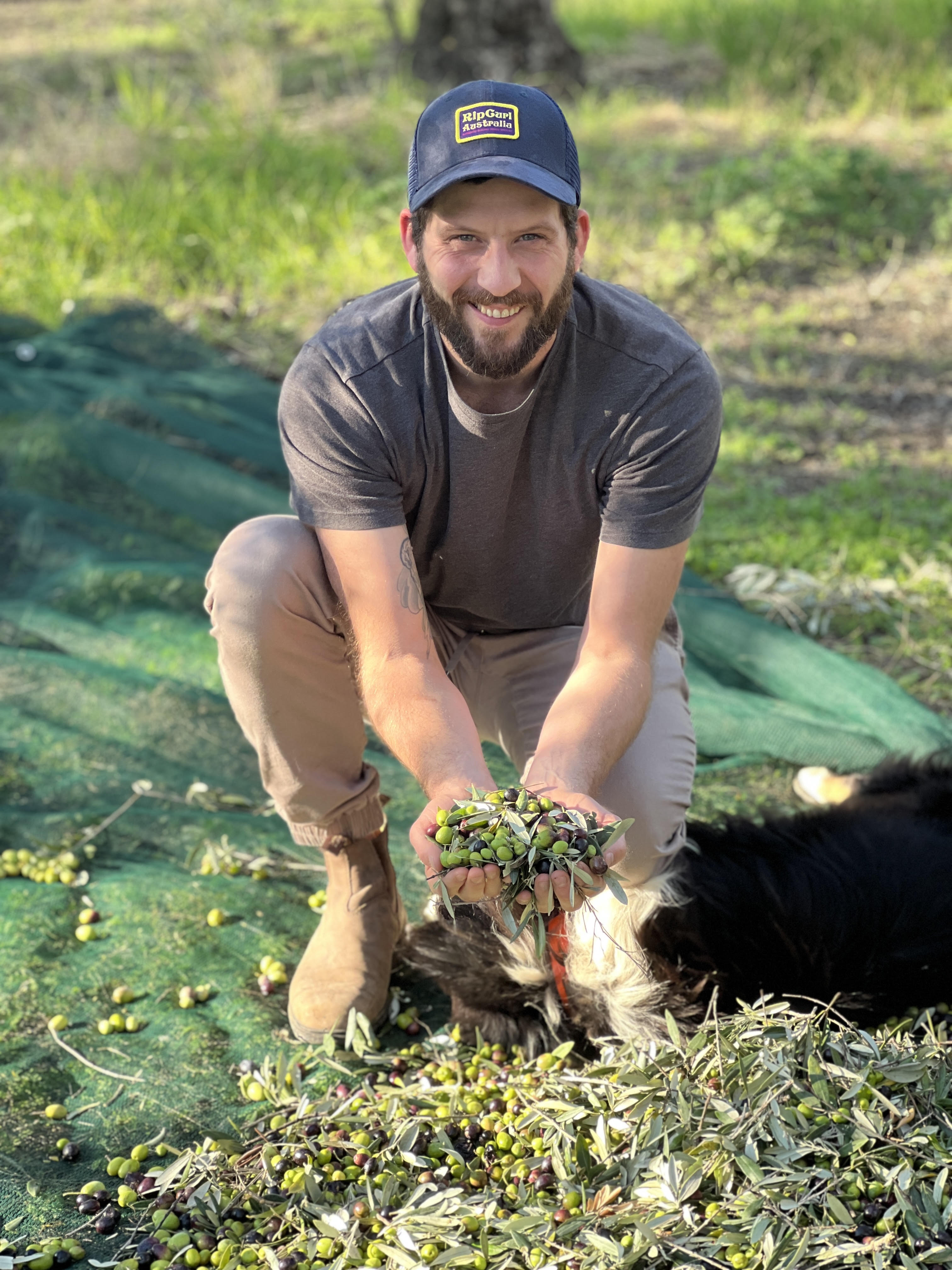
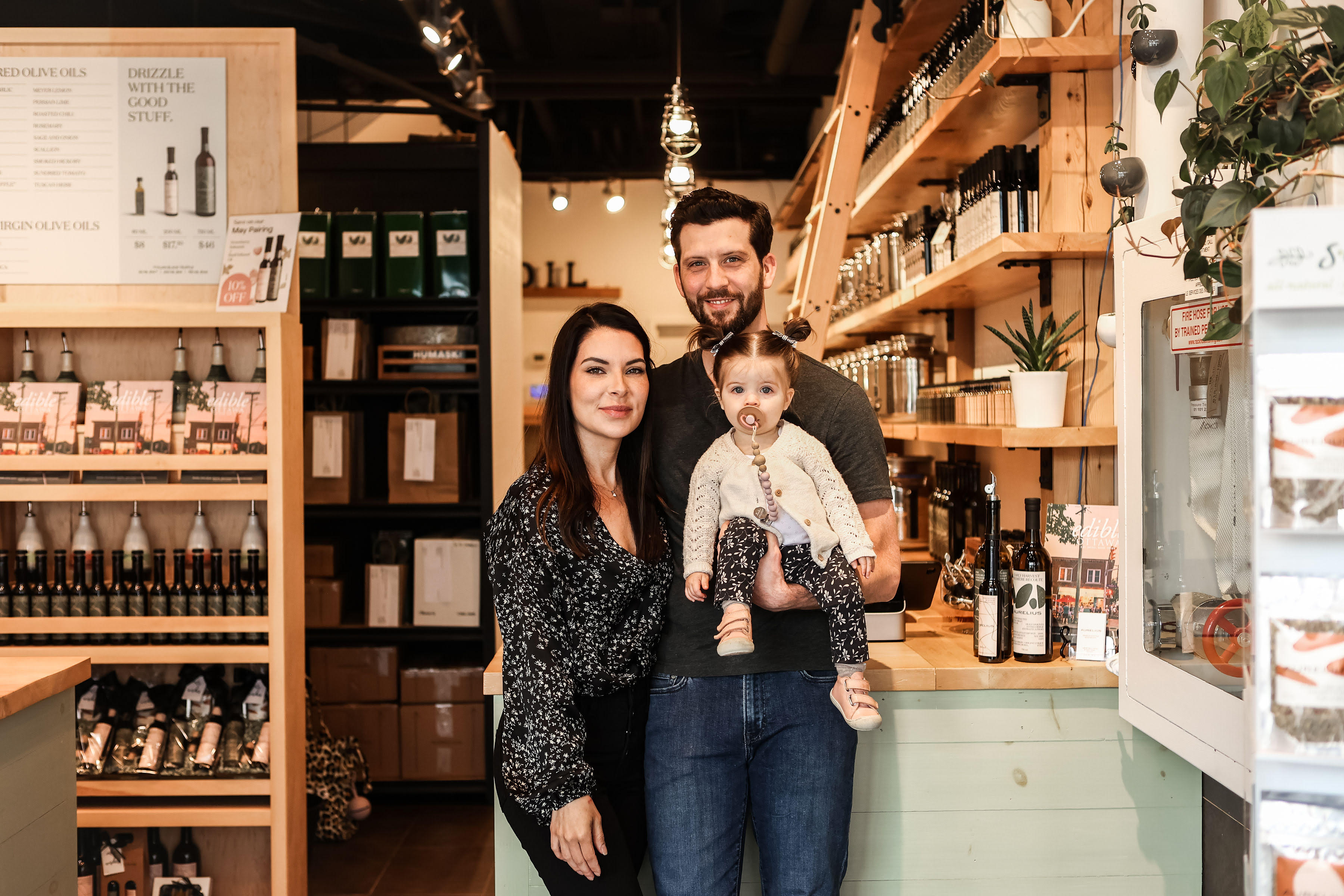
The idea began with a question at a family dinner in Italy: would Canadians be interested in genuinely good olive oil? Mike George decided to find out. He started selling at weekend markets while still serving in the military, then opened an Aurelius tasting boutique in Ottawa’s Wellington West neighbourhood in 2018.
Today, Aurelius operates three Ottawa boutiques. But the most interesting part of Mike’s story isn’t simply the expansion. It’s the operating philosophy behind it: make the experience memorable, teach people what quality feels like, and build a business capable of delivering that standard even when the founder isn’t there.
For entrepreneurs, executives and professionals responsible for growth, his lessons travel well beyond specialty retail.
01The difference customers can taste
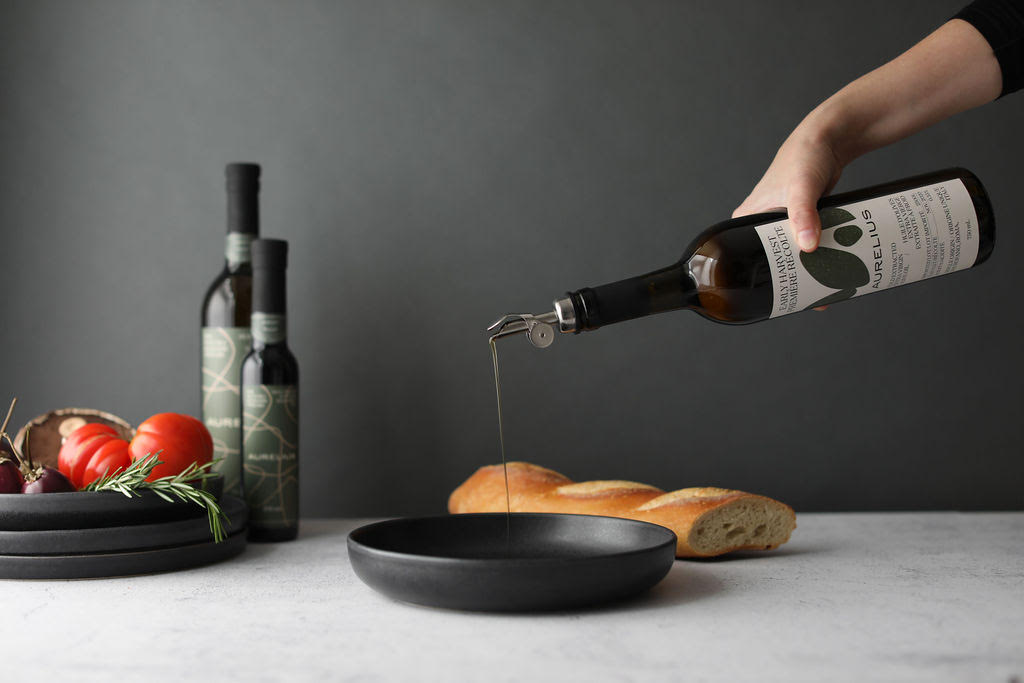
Walk into an Aurelius boutique and the usual retail dynamic changes. Rather than being asked to choose from a shelf, visitors can sample approximately 45 oils and balsamics, compare flavours and experiment with pairings. The product gets a chance to make its own case.
Mike calls the people guiding that experience tasting guides—not sales associates. Their role is to help someone discover something useful and enjoyable, whether that becomes a purchase today or not.
That is a strategic decision, not just a friendly detail. A premium product can be difficult to differentiate through a label or price tag. A direct experience reduces uncertainty: customers learn what they’re buying and why it might matter in their own kitchen.
There’s a broader lesson here for businesses selling expertise, service or an unfamiliar offering. Instead of adding another explanation, ask how a prospective customer might experience the difference firsthand. The best proof may be something they can see, try or participate in.

02Turn hospitality into a repeatable standard
Mike describes Aurelius as “customer-obsessed.” Staff are encouraged to make each interaction the best part of someone’s day—even if that person leaves without buying anything.
That ambition changes what counts as a successful visit. A transaction may not happen immediately. A customer can still leave with a positive impression, a new idea, or a reason to return. Over time, those experiences help explain why customers become repeat visitors and recommend the business to others.
The challenge is consistency. As a founder adds people and locations, great service can no longer depend on being personally present for every conversation. Mike has had to learn how to recruit for values, coach managers, develop store leads and turn personal expectations into practical training.
He is frank about the process: the business doesn’t always get it right. When something slips, it exposes where the team needs stronger systems or clearer judgment. For any service business, the central question becomes less “How would the founder handle this?” and more “Can the team make a good decision without the founder?”
03The 5 a.m. lesson: work that scales, work that doesn’t
For 13 weeks before one Christmas season, Mike went in at 5 a.m. to fill and label bottles. At the time, he believed that doing the work himself was what entrepreneurship required.
Looking back, he sees a costly trade-off. Hiring help would have freed him to focus on decisions, systems and relationships that could improve the business more broadly. Hard work mattered—but it wasn’t always the highest-value use of his time.
His approach to friction has shifted, too. A broken process or recurring problem can point to a skill the business has not developed. Instead of treating every obstacle as a setback, he asks what capability it reveals is missing.
Mike also makes a distinction between intuition and evidence. Product performance should be checked against sales data, not assumed from a feeling. When the numbers challenge the story, the response should be to adjust—not to keep doing something because it once seemed right.
Together, those ideas form a more disciplined approach to growth: delegate lower-leverage work, pay attention to the inputs you can control, and treat recurring friction as a signal about what needs to improve.
04Growth should strengthen the experience
Aurelius expanded to three boutiques in April 2025, when it acquired the Glebe and Kanata stores of The Unrefined Olive. The step made the question of consistency much more concrete: how do you extend a recognizable standard across more people and locations?
Mike’s answer is not a claim to have solved everything. He points to hiring, training, culture and the store leaders who carry the experience forward. He also increasingly relies on principles rather than trying to write a rule for every possible situation.
Expansion can look impressive from the outside. Inside the business, it is a test of whether quality and service survive greater complexity. Mike is clear that growth only makes sense if it protects those strengths.
“Bigger only counts if we’re getting better at the same time.”
05A relationship can become a business opportunity
One shift in Mike’s thinking has been appreciating customer lifetime value. A person who returns a few times each year can become part of the business for years. An acquaintance may eventually introduce the company to an entirely different group of customers.
He offers a tangible example: a realtor who came to know Aurelius and now orders gifts for 150 VIP clients on a recurring basis. That opportunity did not begin as a corporate account. It grew from a relationship and trust in the experience.
For service firms, hospitality operators and other businesses, that matters. A sale is one measure of value; repeat activity, referrals and the doors opened by trusted relationships are others. Those outcomes cannot be demanded from every interaction, but they can be supported by doing the fundamentals consistently well.
The practical question is worth asking: does your business only recognize the customer who buys today, or does it also know how to nurture a relationship that may matter later?

06The business intelligence found in other people
Mike has also learned the value of relationships with fellow entrepreneurs. Before acquiring two stores, he spoke with another local business owner about buying and selling a business. That conversation helped him prepare for a decision he hadn’t made before.
Another owner shared an approach to promotions. Mike adapted it for Aurelius, and it became a successful recurring activity. In a different conversation, someone running a comparable store challenged his assumption that Aurelius had reached its ceiling on average order value. He reconsidered what was possible.
None of those exchanges was a conventional sales lead. Each offered information, perspective or a shortcut through a problem someone else had already encountered.
That’s an important form of business value. A productive community can give leaders access to experience outside their own organization. The right conversation may improve a decision, reveal an untested assumption or save time that would otherwise be spent learning the hard way.
It also explains why Mike thinks carefully about the company he keeps: other builders can expand not just a network, but a sense of what the business is capable of becoming.
07What should still matter in ten years?
When asked what would make him proudest of Aurelius a decade from now, Mike doesn’t lead with a store count. He talks about integrity, culture and being a place where people grow and enjoy their work.
He wants customers to love the products, his team to take pride in the experience, and the business to remain part of Wellington West, the Glebe and Kanata.
Most of all, he wants to preserve the original ambition: making every customer interaction a high point in someone’s day. After the systems, acquisitions and lessons in leadership, that remains the standard he’s building toward.
IN HIS OWN WORDS
01Rethinking hard work
What did entrepreneurship force you to unlearn?
“Over the last few years, I’ve learned that the answer isn’t working harder. It’s learning how to lead, how to delegate, and how to build systems so I actually do less of the work myself.”
02Getting the inputs right
When do you trust the process, and when do you trust your gut?
“If you get the inputs right, like amazing service, great products and a great experience, the results follow. So we focus on the inputs rather than chasing the outputs.”
03Principles over rules
How do you keep the founder’s standards when the founder can’t be everywhere?
“We also lean on principles more than strict rules. Rules cover the situations you thought of ahead of time. Principles help people make good calls in the ones you didn’t.”
04Learning from other builders
What is the real value of being part of a business community?
“You get to learn from people who’ve already been where you’re trying to go. A lot of the mistakes I could make, someone else has already made, and a ten-minute conversation can save you a year.”
1 / 4
RELATED INTELLIGENCE
RÄNDĀ VO͞O EDITORIAL SERIES
BUILDER PROFILE
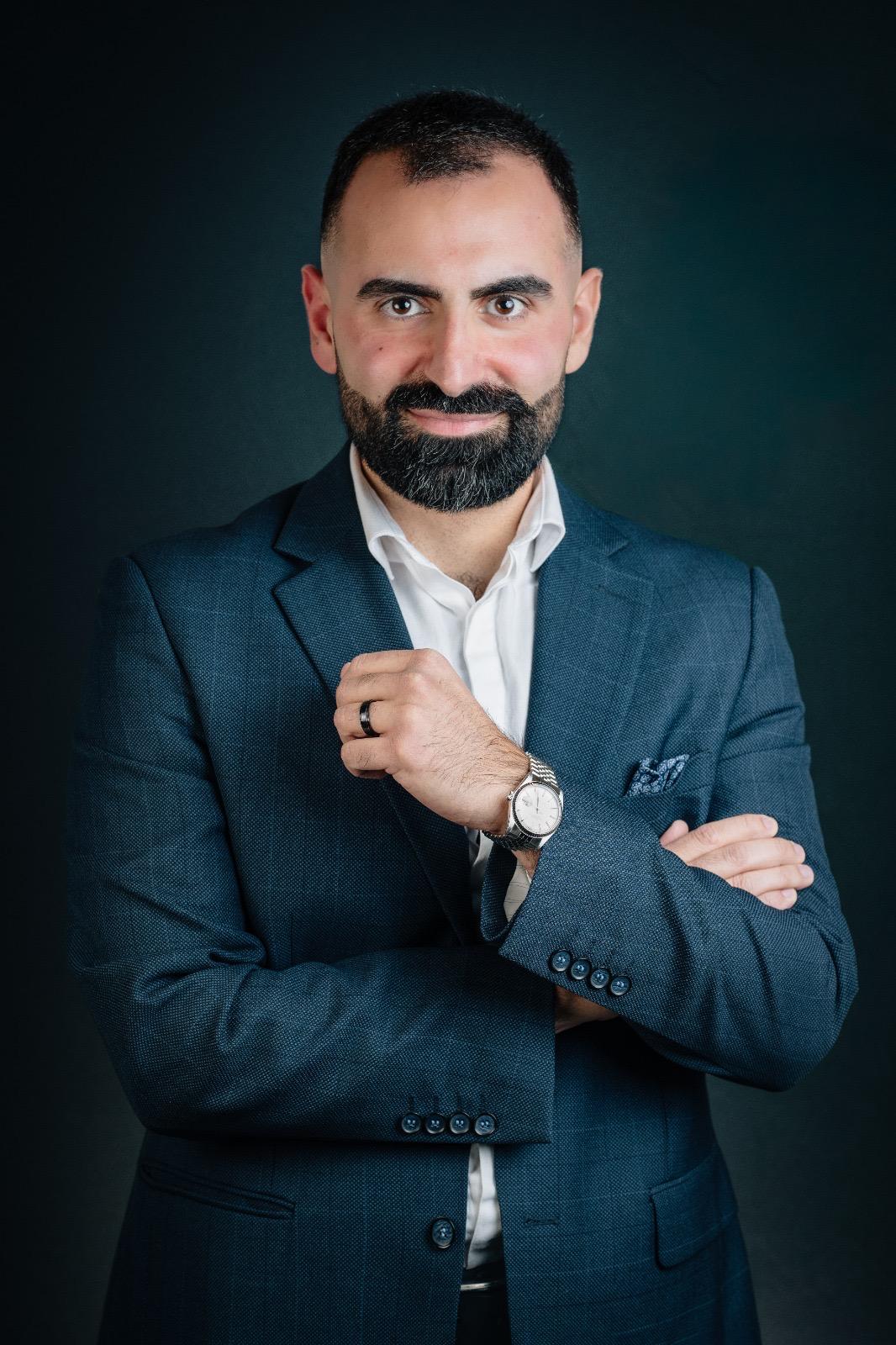
Ali Zaydan | Co-Founder & CEO, Drivisa
Ali Zaydan on Growth, Discipline and Reinventing Driver Education
A candid conversation with Drivisa Co-Founder & CEO Ali Zaydan on ambition, customer trust, innovation, scaling a business and building with speed.
Business Intelligence · Community Impact

The Company We Keep
Hear directly from entrepreneurs, executives and business leaders on the connections they've made, opportunities they've discovered and experiences that keep them engaged. A firsthand look at the people and professional networks behind RÄNDĀ VO͞O—and what makes this community relevant to organizations looking to connect.
Signature · Event Recaps

Inside The Right Room at Parlour: Business, Culture, and Community in Motion
A Signature Business Reception where thoughtful curation, culture, hospitality, and cross-industry conversation created momentum beyond the evening.
Connect in person